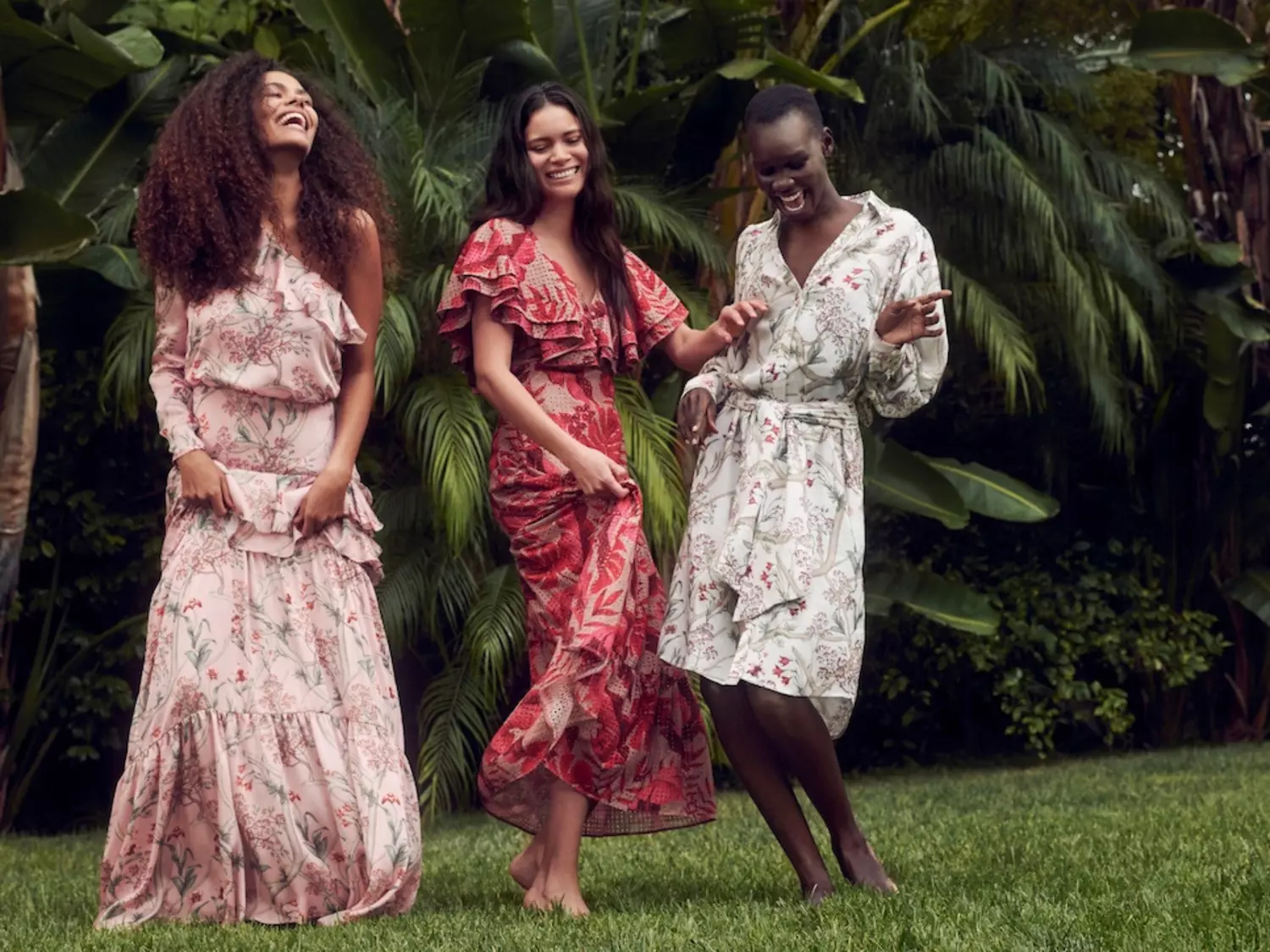

Latin American fashion protects the planet through natural fibers and cleaner supply chains. These brands reduce waste and pay artisans fairly. Get inspired to shop wisely and support those caring for our land and culture.

A regional pioneer in responsible design: for over two decades, Osklen has made sustainability its core principle, long before it was even a topic of discussion in Latin American fashion. The brand researches and uses organic and recycled cotton, biodegradable polyamide, hemp, jute, and recycled PET to minimize its environmental impact. It repurposes arapaima skin (from an Amazonian fish used for food) to produce eco-friendly canvas. The result: durable pieces with an urban aesthetic.
Photography: Osklen
Since 1997, the brand has embraced a tropical aesthetic with sustained environmental action. It incorporates responsible materials such as viscose, organic cotton, recycled polyester/PET, and other low-impact fibers into its collections. Its "1,000 Trees a Day, Every Day" program restores Brazilian biomes. Furthermore, it publishes sustainability and traceability updates on its website. Its message is clear: wearing colorful clothing can go hand in hand with restoring forests.
Photography: Farm Rio
A Colombian brand with over two decades of experience in swimwear and resort wear, crafted by local artisans and hand-embroidered. Since its inception, the brand has repurposed surplus textiles and now incorporates lines made with recycled materials and low-impact processes. Agua Bendita maintains social responsibility and traceability policies, and the majority of its workforce is female. Agua Bendita embodies design, craftsmanship, and a commitment to Latin American heritage.
Photography: Agua by Agua Bendita
From Cali, Johanna Ortiz has spent over a decade elevating luxury with craftsmanship and a personal touch. She works with long-lasting natural fibers (silk, linen, cotton) and reimagined textile surpluses. She focuses on small batches, traceability, and expert hands in embroidery, pleating, and draping. She reduces waste without sacrificing movement or fluidity: designs that last and can be repaired. Responsible luxury made in the workshop: Colombian identity with international reach.
Photography: Johanna Ortiz x H&M
Since 2009, Ayni has been weaving responsible luxury from Lima in partnership with Andean cooperatives. They work with baby alpaca and Pima cotton, using plant-based dyes and produced by Peruvian artisans. They are committed to a local and traceable supply chain: from fiber to product development, everything is done in Peru to minimize their environmental impact. They prioritize measured batches, handcrafted processes, and fair working conditions that support both the craft and the community. The result: durable, contemporary pieces that honor both land and tradition.
Photography: Ayni
Andean specialists in alpaca and vicuña, with expertise evident from the fiber to the finished garment. In partnership with high-Andean breeders, they promote research and conservation, prioritizing animal welfare and responsible management. Their palette is inspired by royal alpaca, baby alpaca, and fine blends, allowing for less dyeing and longer-lasting natural colors. The result: timeless designs and durable garments that respect the Andean landscape, wildlife, and craftsmanship.
Photography: KUNA
Since 2014, this textile design workshop has been transforming waste into timeless design. Unprocessed cotton yarns and textile scraps are handcrafted into jewelry and home decor pieces in collaboration with local artisans. Their "Recuperado" (Recovered) line repurposes leftover raw cotton from large formats into new tapestries and objects, closing the loop. Their philosophy is clear: to preserve the essence of the material and work in a short supply chain within their own workshop.
Photography: Caralarga
A social enterprise that creates handbags and accessories in collaboration with Indigenous communities, using contemporary design rooted in Mayan traditions. It promotes fair wages and women's leadership through ongoing training. Working with natural fibers and traditional techniques, it incorporates textile surpluses whenever possible to minimize waste. Each collection unites craftsmanship and opportunity: durable pieces that support families, preserve techniques, and connect culture with new markets.
Photography: Global Market