Kids Wouldn’t Understand These Former Household Items
FotoSCAPE

Kids Wouldn’t Understand These Former Household Items

Images: Midjourney AI

Since the 90s, technology has advanced wildly. We enjoy conveniences like Wi-Fi and cellphones, but they pushed older gadgets into obsolescence. When tech goes extinct, it fades from memory faster than we realize.
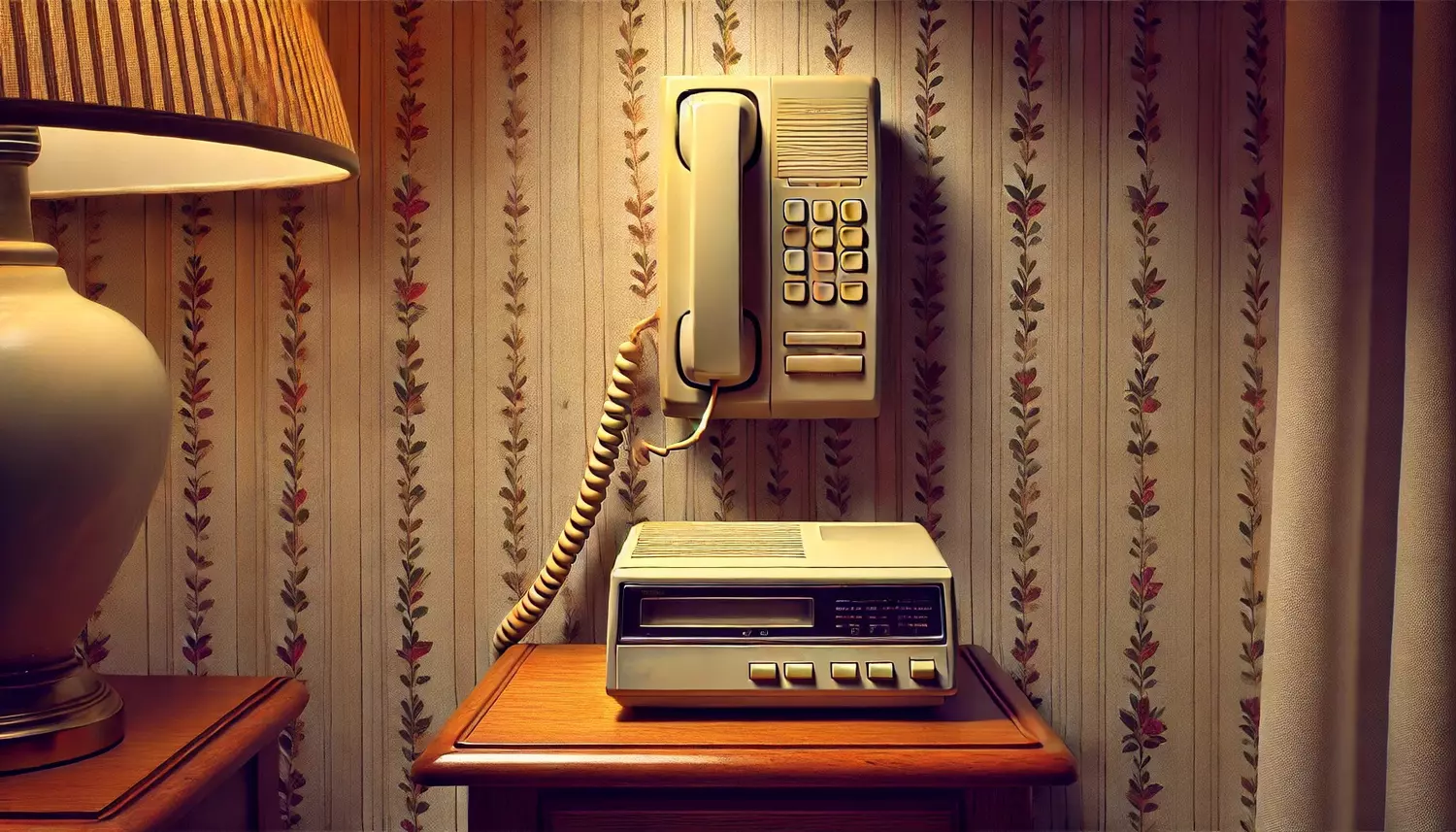
Answering Machines

From the 1970s until the early 2000s, many Americans kept a device connected to their home phones that recorded messages on a tape for playback when they got home. The digital revolution of the 90s and early 2000s spawned cellular phone services with the built-in voicemail features we use today. By the mid 2000s, answering machines were seen as a relic and they vanished form retail store shelves.

Cassette/VHS tapes

Audio and video tapes have a complex history that begins with Bing Crosby attempting to pre-record television and radio shows so he could have more time to golf, and ended during the late 90s when cassette tapes and VHS tapes were the main mediums for music and video playback. After CDs became the preferred audio medium in the late 90s, DVD and later Blu-Ray discs replaced VHS tapes for video before basically going extinct themselves in the 2010s.

Tube TVs

Before the flatscreen TV revolution of the 2000s, most people had a Cathode Ray Tube (CRT) televisions and computer monitors in their homes. CRT TVs contained a special vacuum tube inside where electron beams and phosphorescent surfaces are used to create an image. All of this scientific wonder was great but also very heavy. So, when LCD technology became less expensive during the mid-2000s, companies promptly stopped making tube TVs. The last company in the world to produce CRTs was Videocon in India, who ceased their production in 2015.

Manual Car Windows

Power locks and windows became standard in vehicles during the 70s, but until then most of them came with a hand crank on each door. After Cadillac became the first automaker to add power windows as a standard feature in the 1970s, most companies followed suit. Manual windows would continue to appear occasionally in base model fleet vehicles through the early 2000s when manufacturers stopped making them all together.

Multiple Car Keys

Maybe the idea arose out of a need for security, but until the 90s when key fobs and central locking arose, you’d need a separate key for the ignition, the doors and sometimes even the trunk. That’s a far leap back from today’s cars that automatically unlock as the driver approaches with the key in their pocket.

Smoking Indoors

Across the United States, smoking indoors was officially banned in 2007. Prior to that, restaurants had sections reserved for cigarette smokers and people often smoked inside of bars, schools, hospitals, hotels and airports. Government officials enacted the smoking bans for the health of both smokers and non-smokers who may inhale cigarette smoke second hand.

Dial-up Internet

The very first home internet connections came in the form of dial-up service, which used the home’s phone line to connect a home computer to the web — if someone picked up the phone while you were surfing the web, you’d just have to wait. While internet speeds in the U.S. today can reach 1 Gigabit per second, dial-up internet speeds were around 56 kilobits per second and pretty unstable. Downloading a 3.5 megabyte song would have taken between 10 minutes and a couple hours.

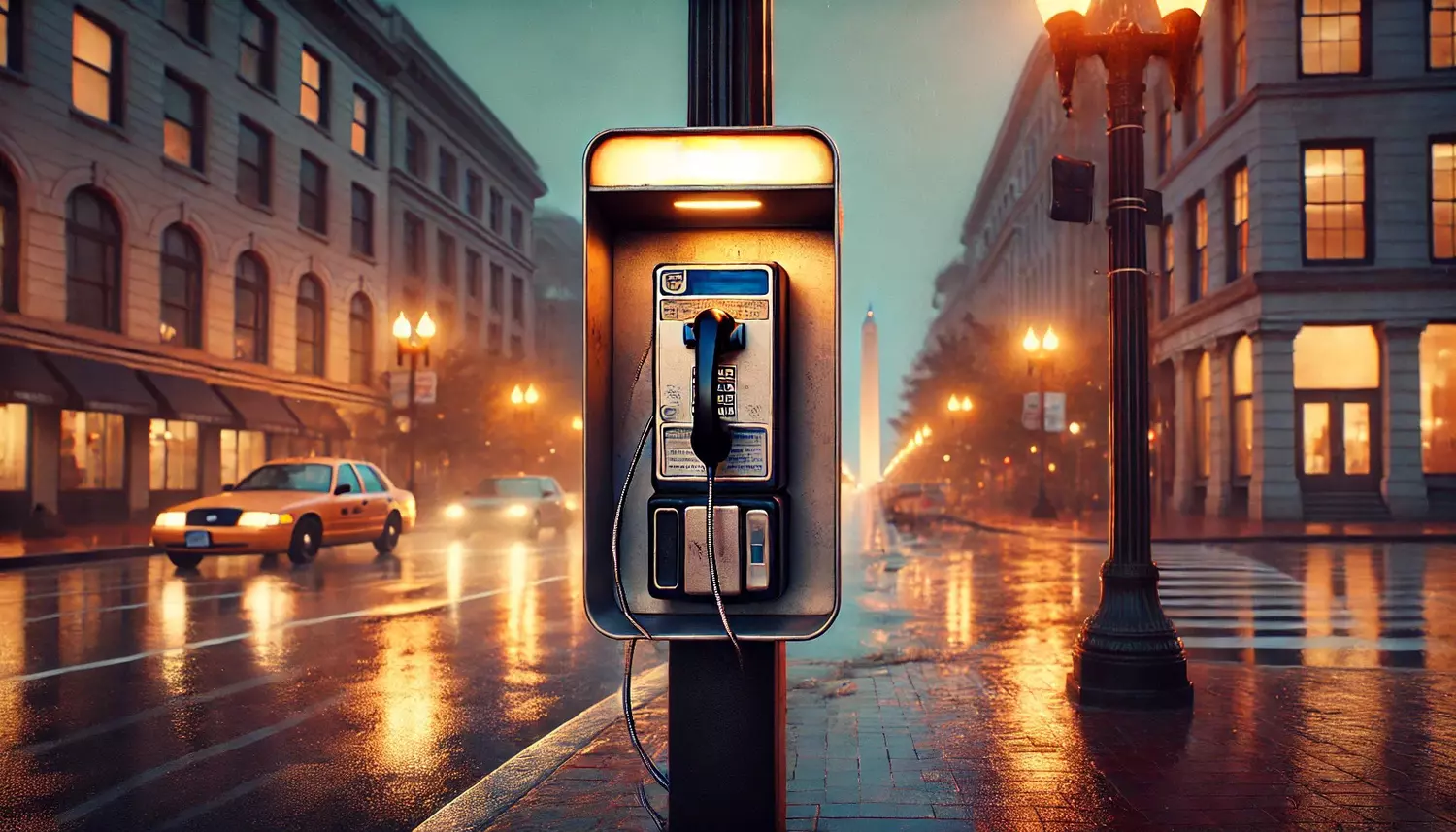
Payphones

Before most folks carried cell phones, the payphone was the quickest way to place a phone cll away from home. All it required was some loose change, or placing a collect call —which charges the person on the other end of the line for the call. The first modern, pre-pay telephone was installed in 1898 in Chicago. Fast forward to 2024; the last major payphone service provider has finally exited the payphone game and New York City removed the last of its payphone from the streets.

Recommended For You.