Soda Wars: Inca Kola vs. The World
FotoSCAPE

Soda Wars: Inca Kola vs. The World

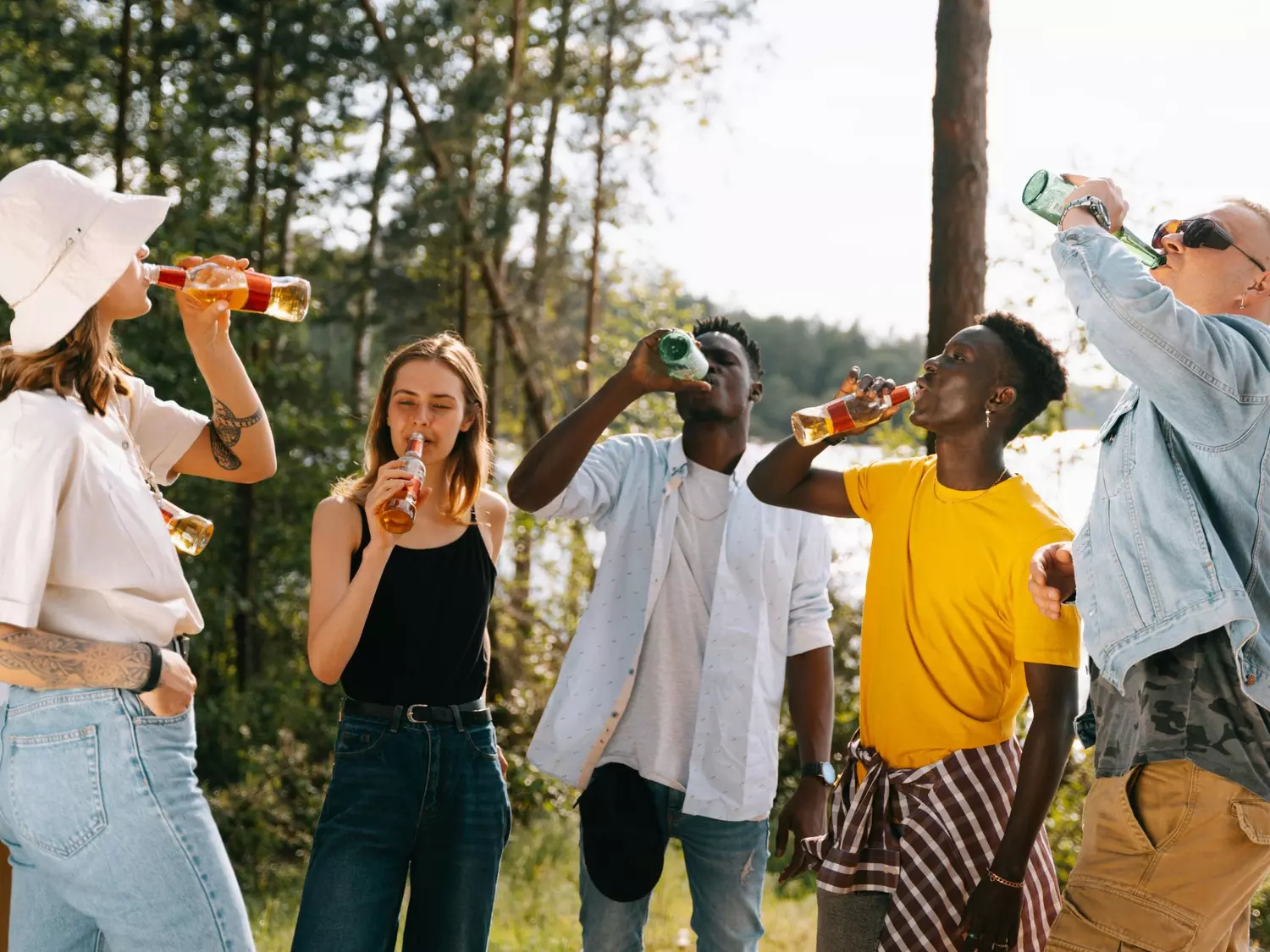
In many countries, local sodas outperform global brands. Inca Kola in Peru is the most famous example. Here, we explore national soft drinks that lead their markets and tell stories of identity, marketing and flavor.
Inca Kola: Peru's Yellow Pride

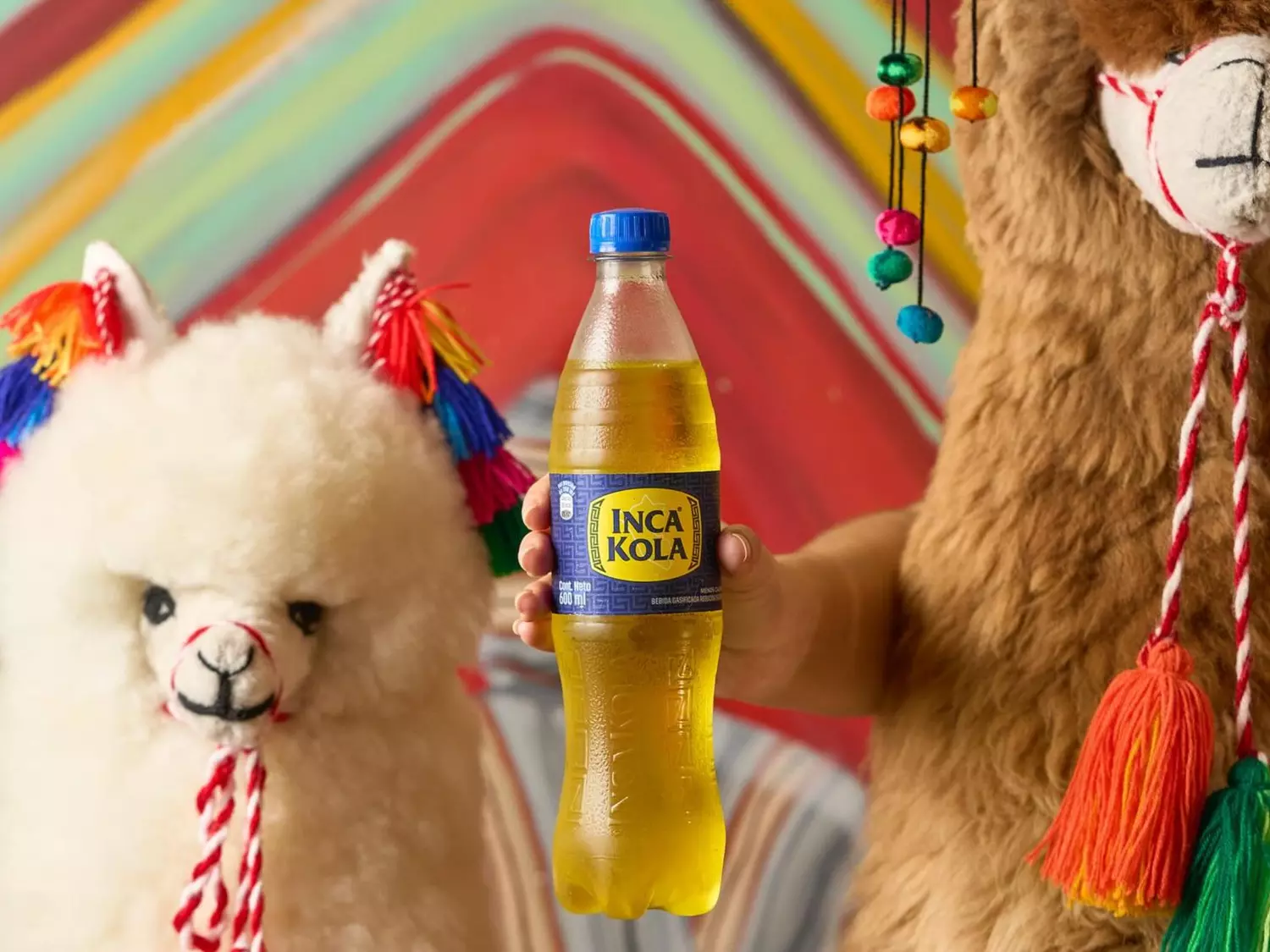
Inca Kola was created in 1935 in Peru by British immigrant Joseph Robinson Lindley and flavored with lemon verbena, which explains its bright yellow color and distinctive sweet taste. In Peru, it outsold Coca-Cola and became a national symbol. Its dominance was so strong that in 1999 Coca-Cola bought nearly 50% of the company to partner with the Lindley family rather than continue losing the market.

Photography: Instagram/@marperuano

Irn-Bru: The Scottish Rival

If Inca Kola is the Peruvian champion, Irn-Bru plays a similar role in Scotland. TThis orange soda often outsells Coca-Cola, thanks to its unique and hard-to-replicate flavor, and highly localized marketing campaigns. In an imaginary ranking, it would be one of the few brands capable of rivaling Inca Kola in terms of fan loyalty.

Photography: Irn-Bru

Thums Up: India's Response

In India, Thums Up occupies the same position that Inca Kola holds in Peru: a national cola with a more intense flavor than its rivals. Coca-Cola ended up buying the brand to add it to its portfolio, just as it did with Inca Kola in 1999. In the rankings of the Soda Wars, both demonstrate that sometimes it's better to join forces than to continue losing market share.

Photography: Wikimedia Commons/John Hoey

Julmust: Sweden's Holiday Elixir

Julmust is only sold in Sweden during Christmas and Easter, but during those weeks it displaces Coca-Cola from the shelves, something Inca Kola does year-round in Peru. Its malty and spicy flavor makes each bottle a family ritual. If the soda wars were fought seasonally, Julmust would take the Christmas trophy against any competitor, including Inca Kola.

Photography: Facebook/hemmakvall

Jarritos: Mexican colors in the battle of flavors

Jarritos represents Mexico with fruit flavors like tamarind, tangerine, and guava to compete against traditional colas. While Inca Kola focuses on a single iconic flavor, Jarritos is fighting the battle with a troop of colorful labels. In a hypothetical tasting, it would be the rival that shows Inca Kola that variety can also be key to victory.

Photography: Wikimedia Commons/Amazur

Ramune: Japanese Packaging

Ramune competes not only on flavor, but also on showmanship: its bottle with a marble inside is almost a toy, and the experience of opening it is part of its charm. Inca Kola attracts attention with its vibrant yellow; Ramune responds with design and a festival-like nostalgia. In this global battle, both prove that presentation can be as powerful as a multinational's logo.

Photography: Instagram/@kochikochiland.hmo

Champagne kola in the Latin American league

In Colombia, La Colombiana holds a similar emotional place to Inca Kola in Peru — it's the soda that most often appears at barbecues, picnics, and family gatherings. Its champagne-like cola flavor and amber color make it a local favorite over many imported colas. In a "Copa América" of soft drinks, it would probably share the podium with Inca Kola in terms of affection and tradition.

Photography: Instagram/@afuegopr

Final score: Who wins the soda war?

Looking at these stories together, Inca Kola isn't alone: Irn-Bru, Thums Up, Julmust, Jarritos, Ramune, and Colombiana also resist the pressure from global brands. Some ended up partnering with Coca-Cola, others remain independent, but all gain in identity. More than a single champion, the Soda Wars show that each country protects its flavor when a soda manages to tell its story.

Photography: Pexels/Ivan S

Recommended For You.