
From the Andes to the Amazon, these superfoods nourished indigenous peoples for centuries and are now making a comeback on the global table. They stand out for their nutritional density, unique flavors, and versatile uses.
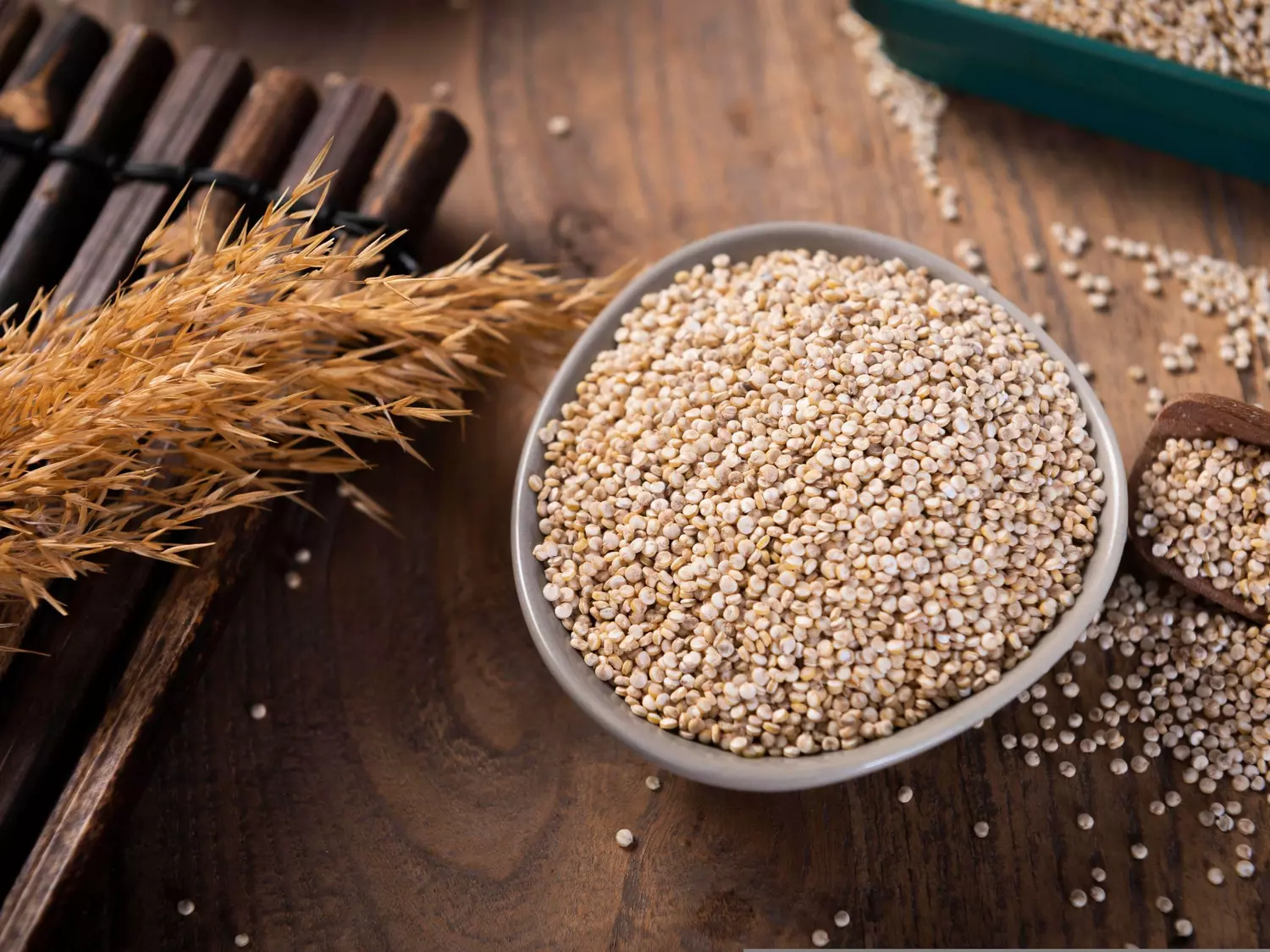
A seed native to the South American Andes, cultivated since pre-Incan times. It provides complete protein, fiber, and minerals such as magnesium and iron. It is naturally gluten-free and filling in small portions. Rinse it to remove saponins and cook it until it becomes loose. Use it in salads and stews; in desserts, with fruit, cinnamon, and cacao.
A deep purple berry native to the Brazilian Amazon. Rich in anthocyanins and polyphenols, it also contains fiber and healthy fats. Available as frozen pulp or unsweetened freeze-dried powder. It shines in sweet bowls and creamy smoothies with banana and granola. A teaspoon emulsifies in light salad dressings.
Photography: Pexels/Christian Alemu
Native to Mesoamerica and now widely cultivated in the Southern Cone, these seeds provide omega-3 ALA, a soluble fiber that gels and promotes satiety. Soak them for 10–15 minutes to form a gel and improve digestion. Use them in sweet puddings or add them to blended yogurt. Sprinkle them on salads, artisan breads, and cold sauces.
Photography: Pexels/Jubair Bin Iqbal
A root from the Peruvian highlands, with a caramelized and malty flavor. It provides complex carbohydrates and phytochemicals such as macamides and polyphenols. It is often used in dehydrated powder form for easy mixing. In sweet dishes, it can be added to smoothies, oatmeal, and breakfast pancakes. In savory dishes, add a pinch to soups or creams at the end of cooking.
Photography: Wikimedia Commons/Vahe Martirosyan
A riverside fruit from the Peruvian and Brazilian Amazon, this tart and aromatic fruit is notable for its exceptionally high vitamin C content and polyphenols. It's available as pulp or freeze-dried powder for quick use. In sweet dishes, try it in lemonades, homemade ice cream, and smoothies. In savory dishes, it adds a citrusy kick to vinaigrettes and marinades for salads or ceviches.
Photography: Instagram/@thegoodery
A crunchy, slightly sweet tuber from the central Andes, it provides fructooligosaccharides with a prebiotic effect and dietary fiber. It can be eaten raw in slices, finely grated, or in smooth compotes. Salted, it's delicious in quick stir-fries, pickled, or as a fresh topping. Yacon syrup is also available for a milder sweetness.
Photography: Wikimedia Commons/Fumikas Sagisavas
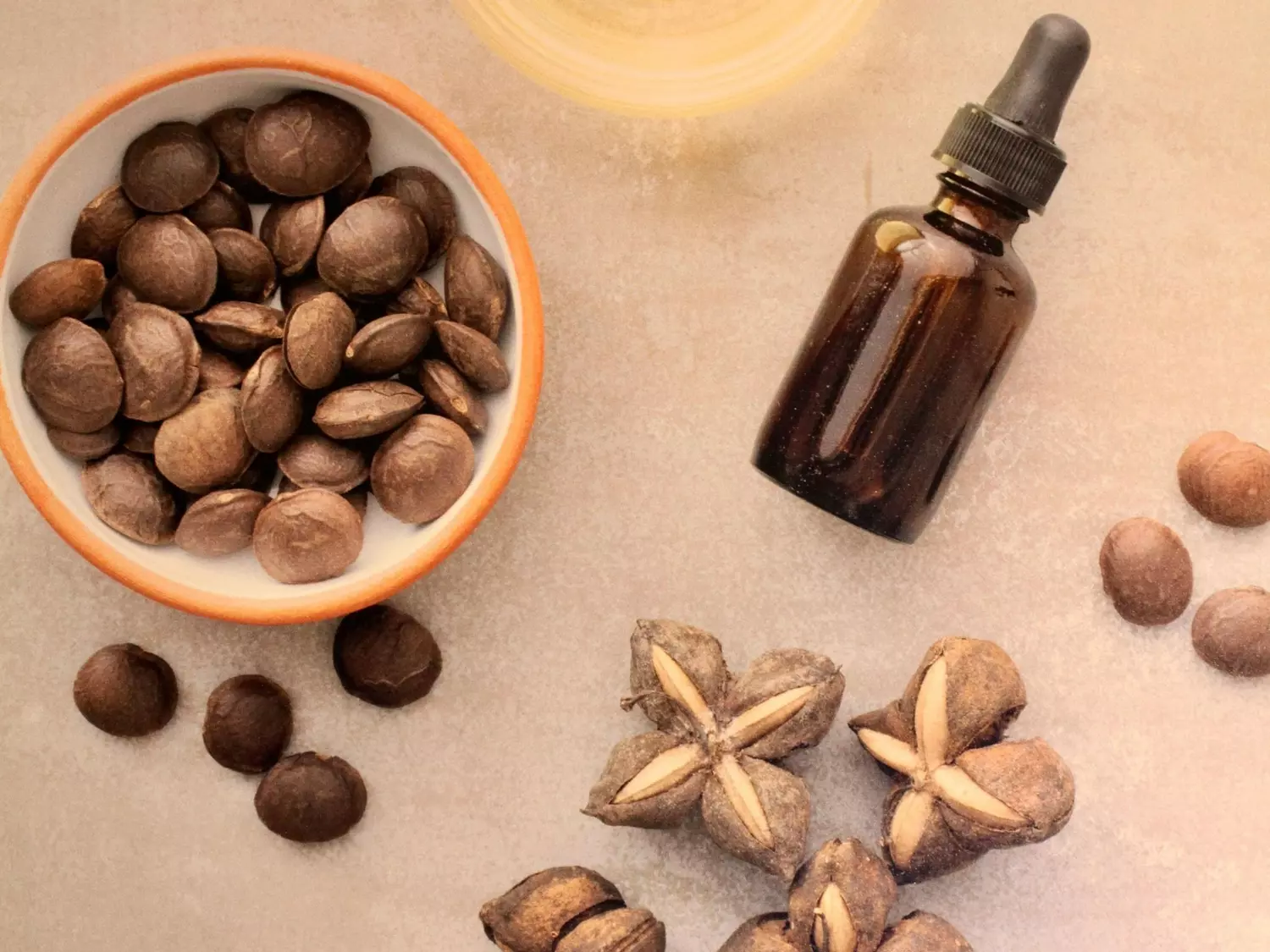
Amazonian seed from the Peruvian rainforest with a mild, nutty flavor. Very rich in omega-3 ALA and with 22–30% plant-based protein. Its oil is polyunsaturated: use it raw for dressings and dips. Toast the seeds for snacks, granola, or crunchy toppings. Salted, it pairs perfectly with fish, bowls, and fresh salads.
Photography: Pexels/idhaya venden