7 Foods That Are Actually Good for You
FotoSCAPE

7 Foods That Are Actually Good for You

New foods hit the Do Not Eat list all the time, it seems. But upon further review, many of these “unhealthy” foods turn out to be ok, if eaten properly.

Swipe through to learn about “unhealthy” foods that really aren’t.
Eggs

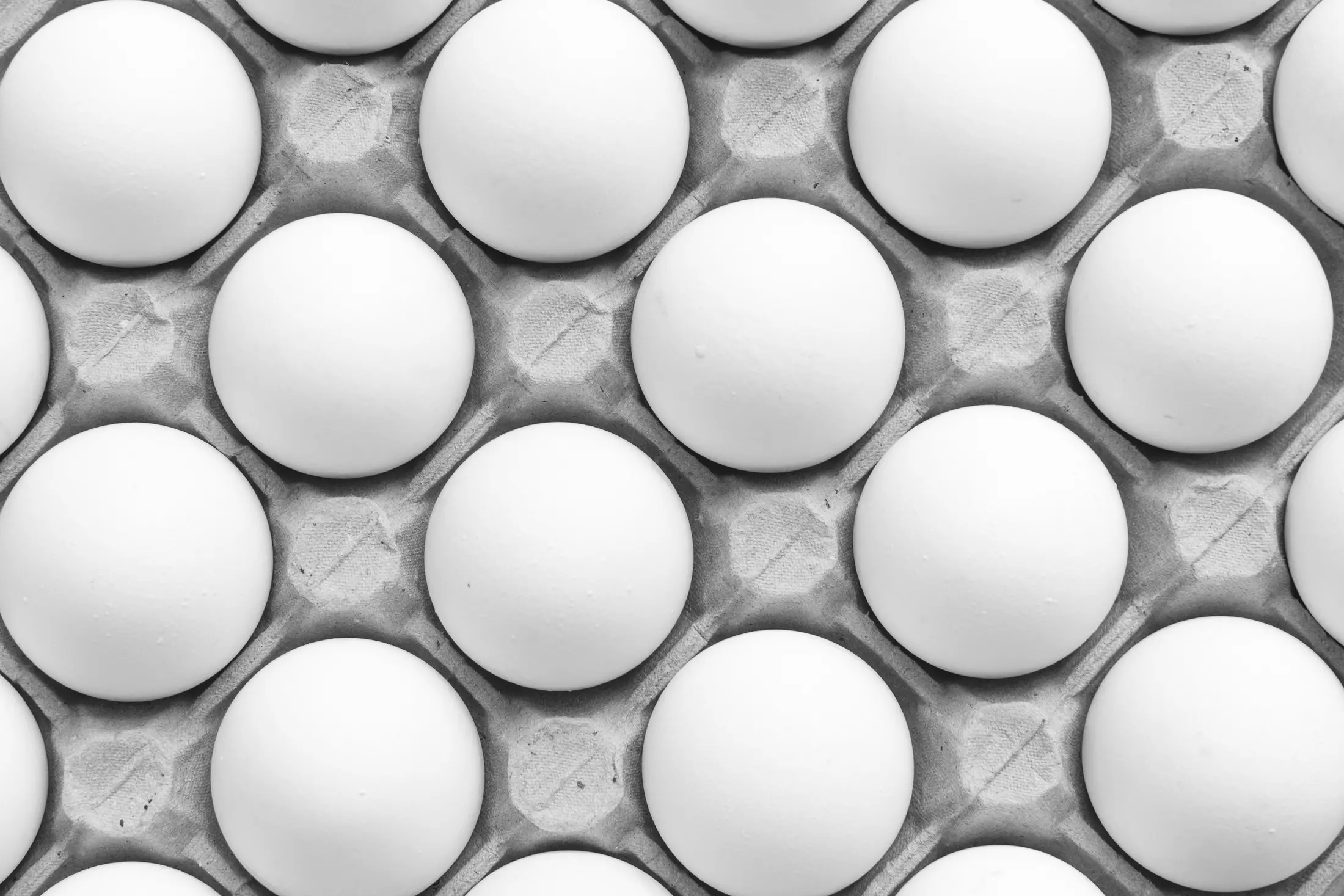
Nutritionists once cautioned against the fat and cholesterol in eggs, which could hurt heart health. Now, however, we know that some of the fat in eggs is good fat, and we understand that the cholesterol in food is not directly associated with cholesterol levels in our blood. Additionally, eggs are filled with lots of protein, vitamins and minerals.

Peanut Butter

In reasonable portions, peanut butter is an excellent snack. It’s packed with protein and healthy fats that support heart health. A little peanut butter goes a long way—a spoonful on a couple of apple slices fills you up so you don’t keep snacking.

Red Meat

Beef is not inherently bad. Focus on high-quality, lean cuts in reasonable portions, and you’ll be rewarded with iron, zinc, B vitamins, and of course, protein. Balance red meat intake with healthy grains and plenty of veggies.

Coffee

Coffee in moderation can be beneficial to our health. It contains several essential B vitamins and has been associated with a lower risk of type 2 diabetes. Just don’t drink too much, because there can be negative side effects with over-consumption, including rapid heartbeat, sweating, diarrhea and constipation. And don’t add a bunch of sugar or sugary syrups.

Full-Fat Dairy

Research suggests that full-fat dairy can make you feel more full, so you eat less. Also, full-fat dairy tends to cause smaller blood sugar spikes compared to many low-fat yogurts and milks that replace fat with sweeteners or other additives.

Carbs

Carbs get a bad rap, but they’re actually one of the body’s main energy sources. In fact, your body burns energy from carbohydrates more efficiently than any other macronutrient. And carb-rich foods typically contain fiber, an important nutrient. The key is to focus on the type, quality and amount of carbs you consume.

Frozen Fruits and Vegetables

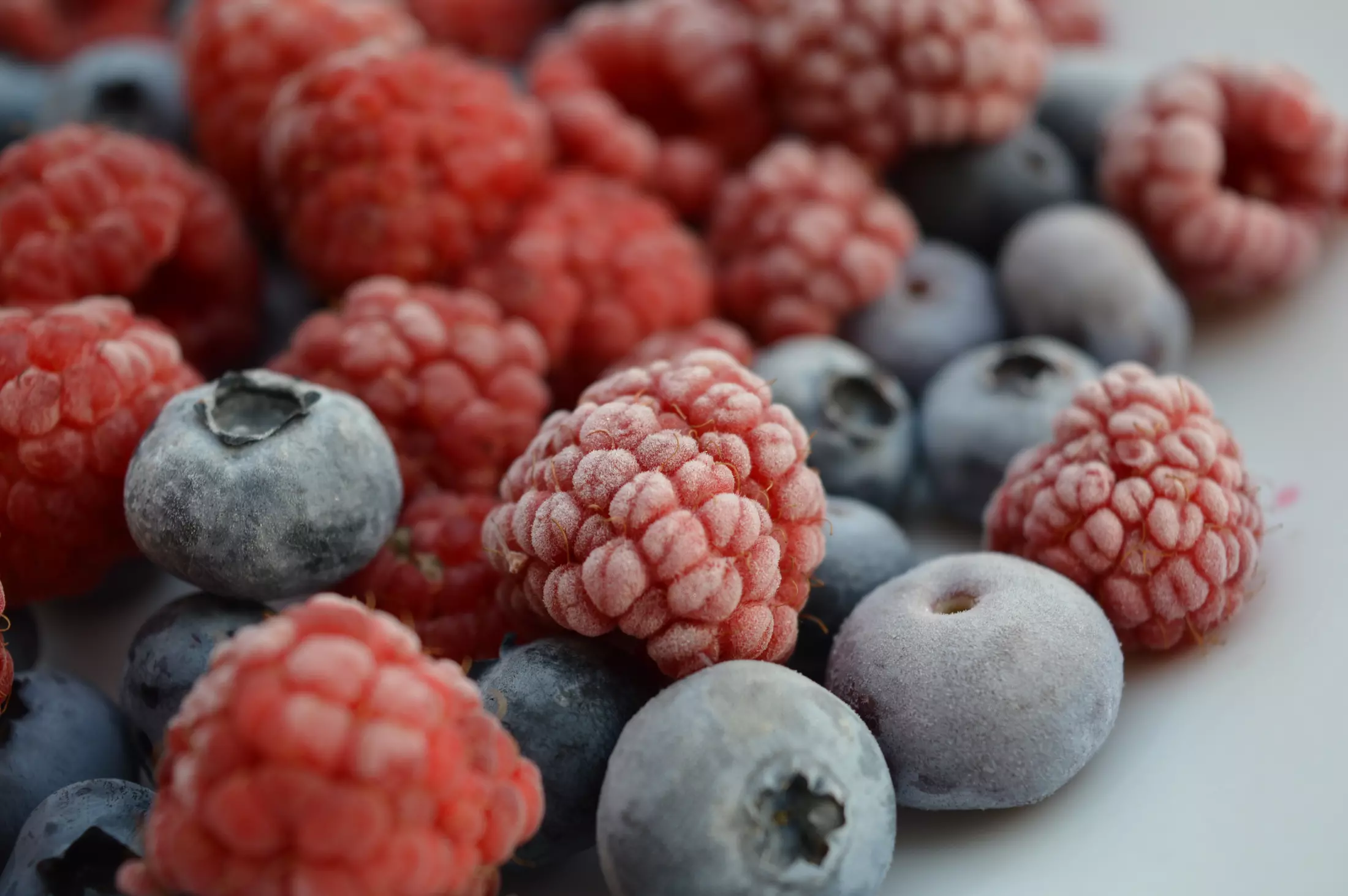
Many purists cast aside frozen vegetables as being inferior to fresh. But many fruits and vegetables are frozen at peak ripeness and retain nutrients well. You do, however, want to avoid frozen produce packed with special sauces and other add-ins, which may contain unhealthful amounts of salt, sugar or other additives.

Recommended For You.