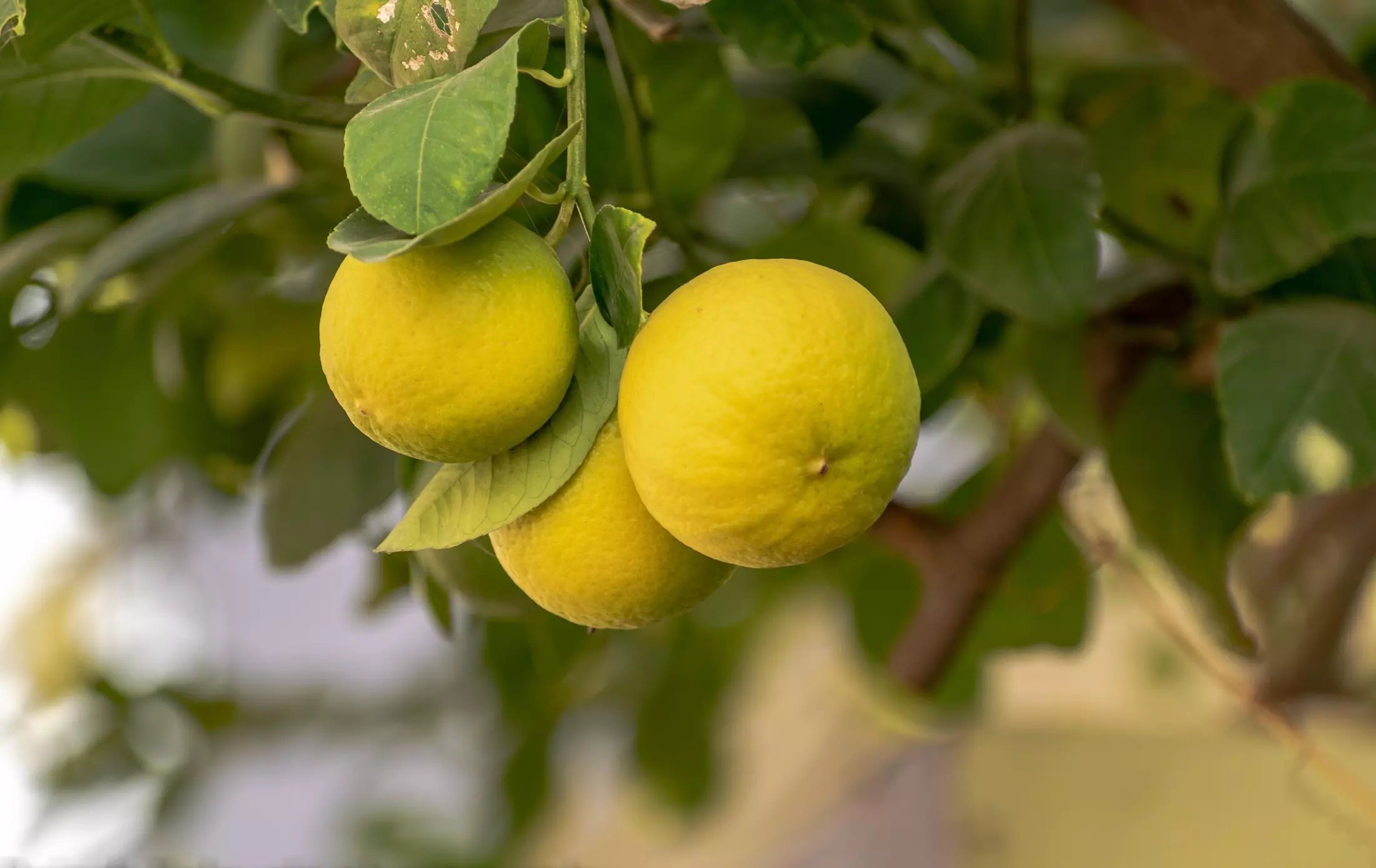

Lemon trees are not only beautiful, but they also produce amazing fruit that is delicious in desserts, main dishes and beverages. Most of the United States gets too cold to grow a lemon tree outdoors, but it’s possible, with a little TLC, to grow one of these fruit trees indoors.
Swipe through to learn how to grow a lemon tree inside.
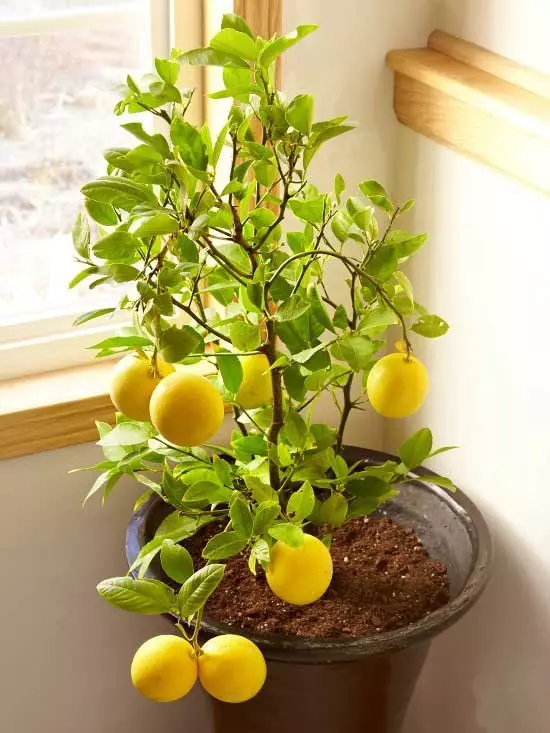
It’s important to select a type of tree that is likely to do well inside. As far as lemon trees go, two hybrid lemon trees (lemon crossed with another fruit) are best. Meyer lemon (Citrus × meyeri) plants typically do very well indoors, as do ponderosa (Citrus × pyriformis) lemon tree plants.
Photography: Pinterest/Better Homes and Gardens
Lemon trees won’t thrive in boggy, wet soil, so be sure to use a well-draining potting soil. Look for a mix that includes peat moss or coconut coir, perlite or perlite, and compost. Also, be sure to choose a pot with at least a 15 gallon volume.
The top priority for growing a lemon tree inside your home is giving it plenty of light. Be sure to situate your tree in a spot that receives 8 to 10 hours of bright light each day. A sunroom, if you have one, would be ideal, or a south-facing window would work, too.
Keep a mister on hand to give your lemon tree regular spritzes of water; this plant really likes humidity. You could also place the pot on a saucer that’s filled with pebbles and water, or you could place a humidifier near your lemon tree.
Photography: Amazon
Lemon trees prefer temperatures that range from 60 to 85 degrees Fahrenheit. they can be sensitive to cold drafts, so you may have to move your tree away from a window if it’s really cold outside.
Water your lemon tree deeply about once a week. Keep the soil moist but not waterlogged. If your tap water is hard, you may need to add a tablespoon of white vinegar to each gallon of water you intend to irrigate with, in order to drop the water’s pH.
Photography: Amazon
Use a citrus tree fertilizer or a fertilizer that’s 2-1-1 blend of nitrogen, phosphorus and potassium to feed your lemon tree every 3 weeks in spring and summer and every 6 weeks in fall and winter.