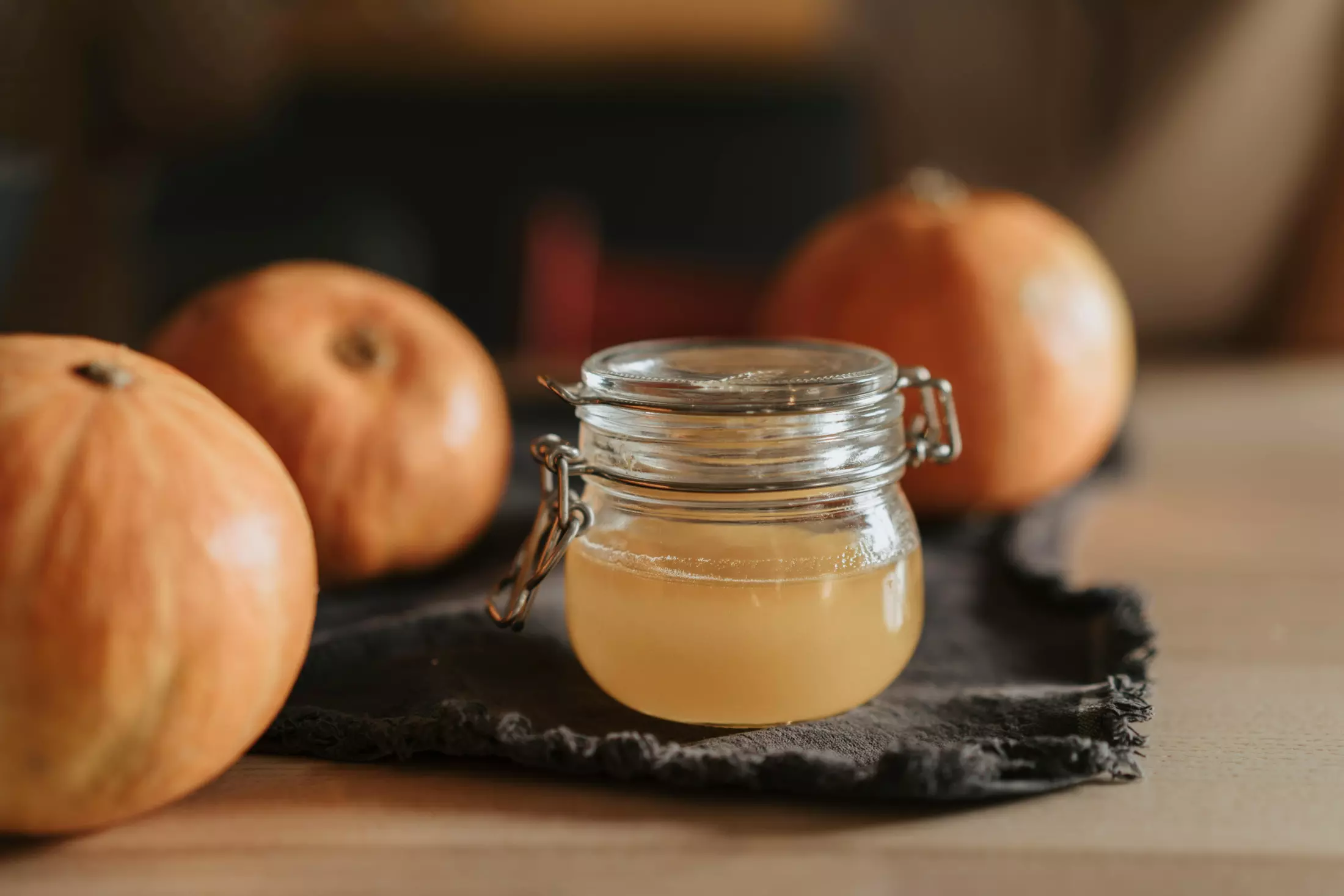

Dishes we love were almost certainly not served at the first Thanksgiving. When the Wampanoag tribe joined English settlers for a celebratory meal in 1621, what did they eat?
Swipe to learn what was likely eaten at the first Thanksgiving.
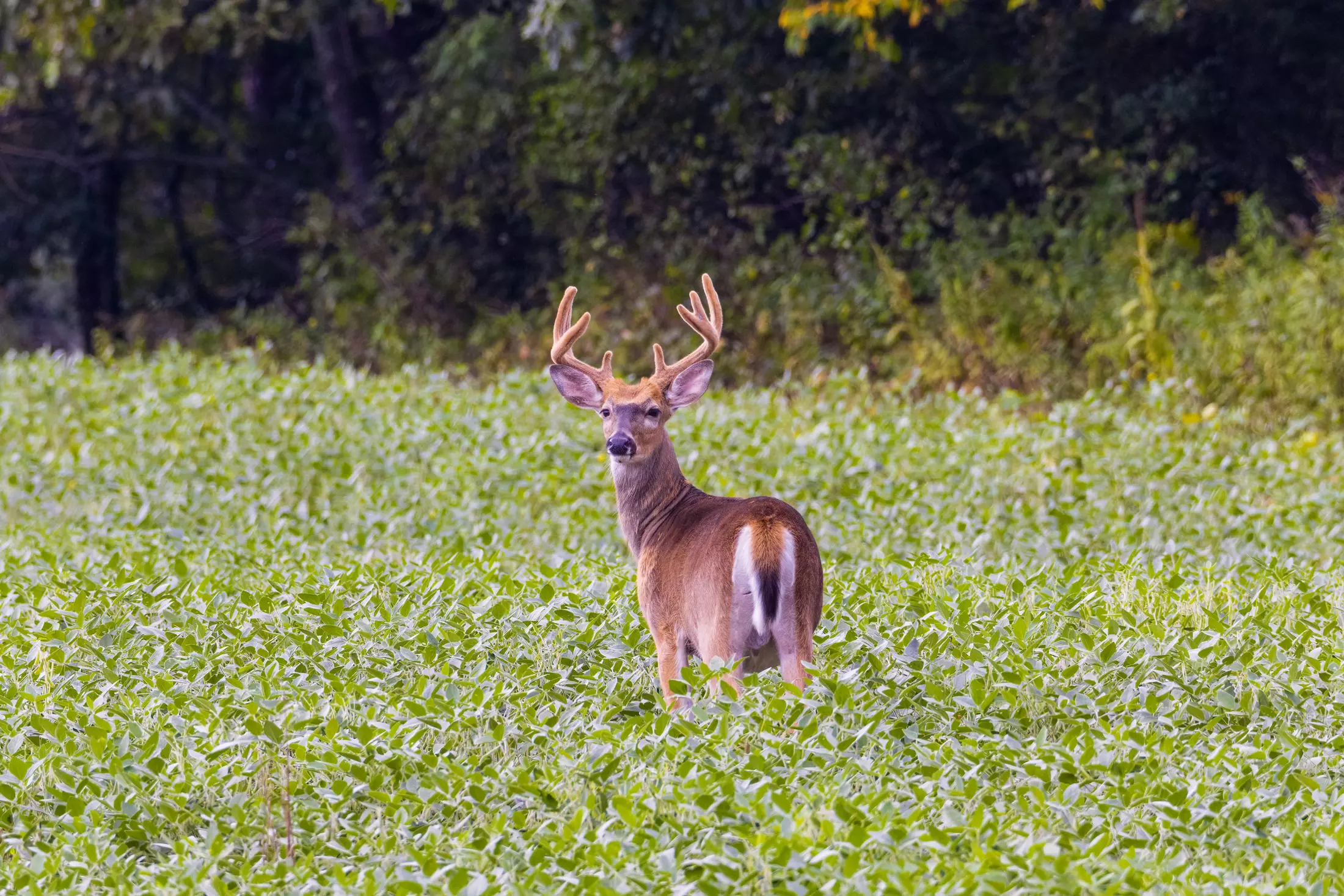
The Wampanoag contributed five deer, according to the first-person account of Edward Winslow, an Englishman who attended the gathering. White-tailed deer were plentiful in the Plymouth area, because of the native people’s careful land-management techniques.
Accounts from the time of the three-day feast indicate that plenty of fowl were part of the feast. But which ones? Experts say that while wild turkeys were abundant in the area, it’s likely that goose and duck were the wildfowl that were served. Swan and passenger pigeons (now extinct) might also have been on the menu.
Seafood likely played a starring role at the feast, as it was so abundant. Mussels were easily harvested, and lobster, bass and clams were plentiful. One colonist wrote that the Wampanoag often supplied oysters to the colonists.
Area forests provided chestnuts, walnuts and beechnuts and so it’s likely those foods were on the menu. The nuts might have been roasted or ground into flour to make bread.
Blueberries, plums, gooseberries, grapes and raspberries were all native to the region and may have been on the table. Cranberries are indigenous to the area, too, but wouldn’t have been made into a sauce or relish because of the lack of sugar.
There were almost certainly plenty of vegetables on the table, including beans, lettuce, spinach, cabbage, carrots and possibly peas. Records show that corn was plentiful at that time, but it was probably turned into cornmeal and served as a porridge. There may have been squash and pumpkins as well.
Water would have been consumed at the first Thanksgiving, even though settlers were wary of unsafe water. They may have enjoyed hard cider made from apples grown on native crab apple trees. Some historians think the Pilgrims may have made beer from pumpkins.