How Cheeses Are Classified into Types
FotoSCAPE

How Cheeses Are Classified into Types

Cheese can be categorized in a few different ways, and if you're putting together a charcuterie board, it’s nice to offer a variety. No matter how you classify it, cheese is delicious.

Swipe through to understand how cheese is categorized.
Fresh

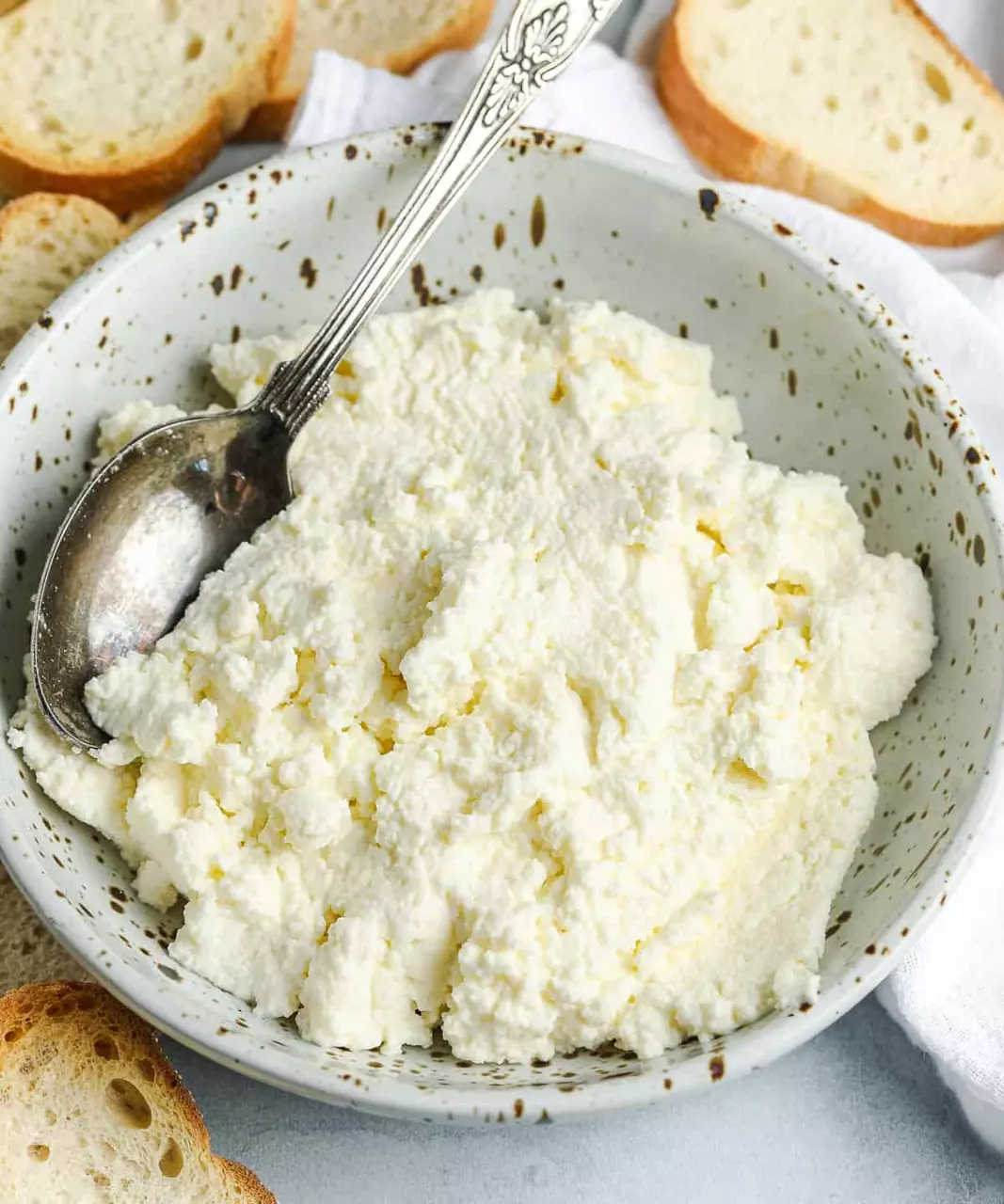
Fresh, non-aged has high moisture content and is meant to be eaten right away. Ricotta, mozzarella and cottage cheese are examples of fresh cheese.

Photography: Pinterest/Beatrice Roman

Soft

Soft cheeses also have a high moisture content but they’re often aged just a bit to develop a rind or more flavor. Brie is a classic example of a soft cheese. Feta is another one.

Semi-soft

Semi-soft cheeses are aged longer and aren't quite as moist as soft or semi-soft cheeses. These types of cheeses can be sliced or cubed, unlike soft cheeses, which are too moist. Gruyère and Monterey Jack are examples.

Photography: Pinterest/Munchery

Semi-hard

Cheddar and gouda are types of semi-hard or semi-firm cheeses. Aged longer than semi-soft cheeses, they contain less moisture. They can have a mild or nutty flavor.

Photography: Amazon

Hard

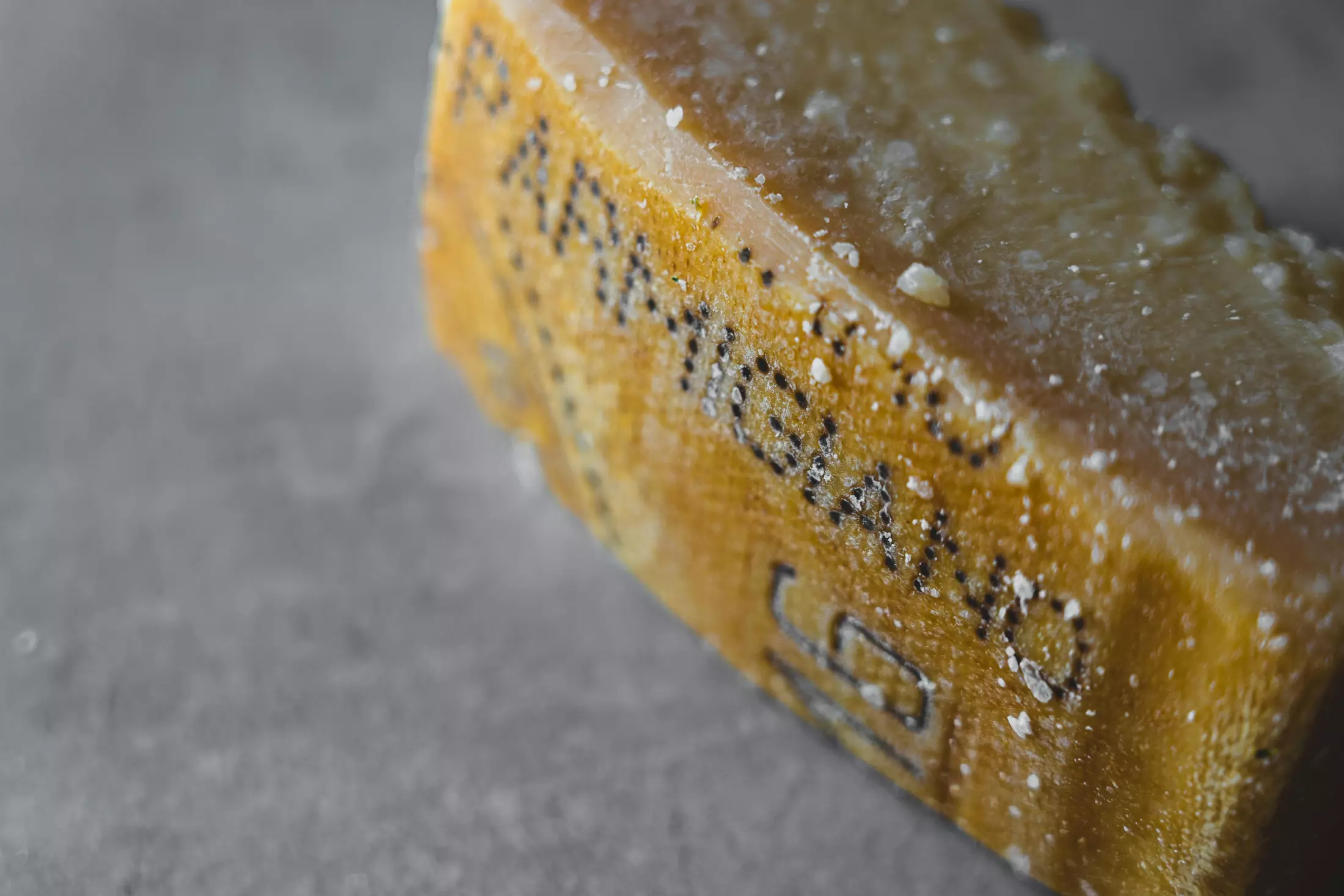
The firm cheeses have deep nutty or savory flavors that are developed through longer aging processes that reduce moisture content. Parmigiano-Reggiano, asiago, comté and manchego are types of hard cheeses.

Milk Types

Cheeses can also be grouped according to what type of milk—typically, cow, goat, sheep or buffalo—is used to produce them. The milks have varying amounts of fat content, meaning different milks are suitable for different cheese types. The various milks also offer different flavor profiles.

Rind

Sometimes cheeses are categorized according to the type of rind they develop. Some cheeses, such as brie, have what’s called a bloomy rind. The rinds of some cheeses, such as Limburger, are washed frequently during aging with brine, beer, wine or spirits during aging, and are said to have a washed rind. Yet other cheeses, such as Parmigiano-Reggiano, develop a hard rind during the process of aging.

Recommended For You.