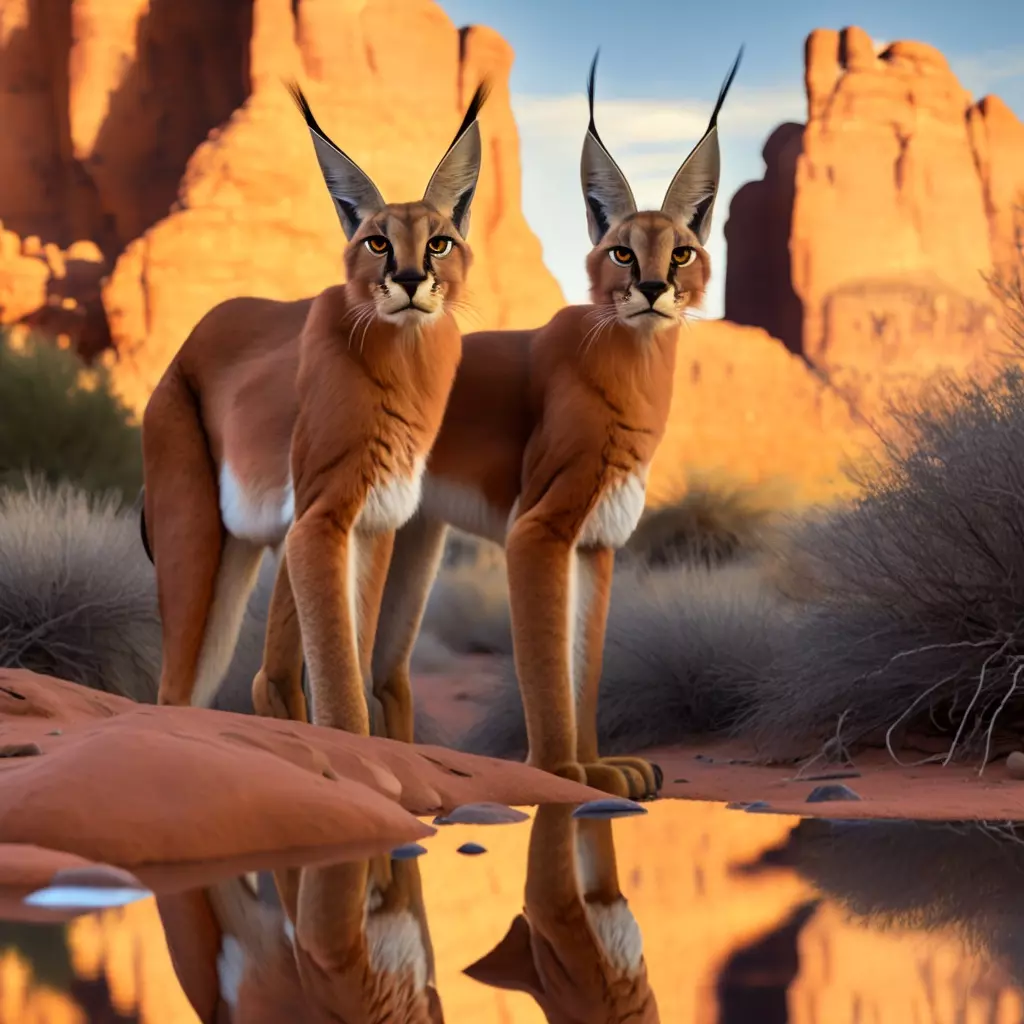

From the Iberian lynx to the sub-Saharan lion, 40 species of wild cats roam the world. Despite their differences, they share a magnificent essence. Learn why protecting these amazing creatures and ensuring their survival is vital.
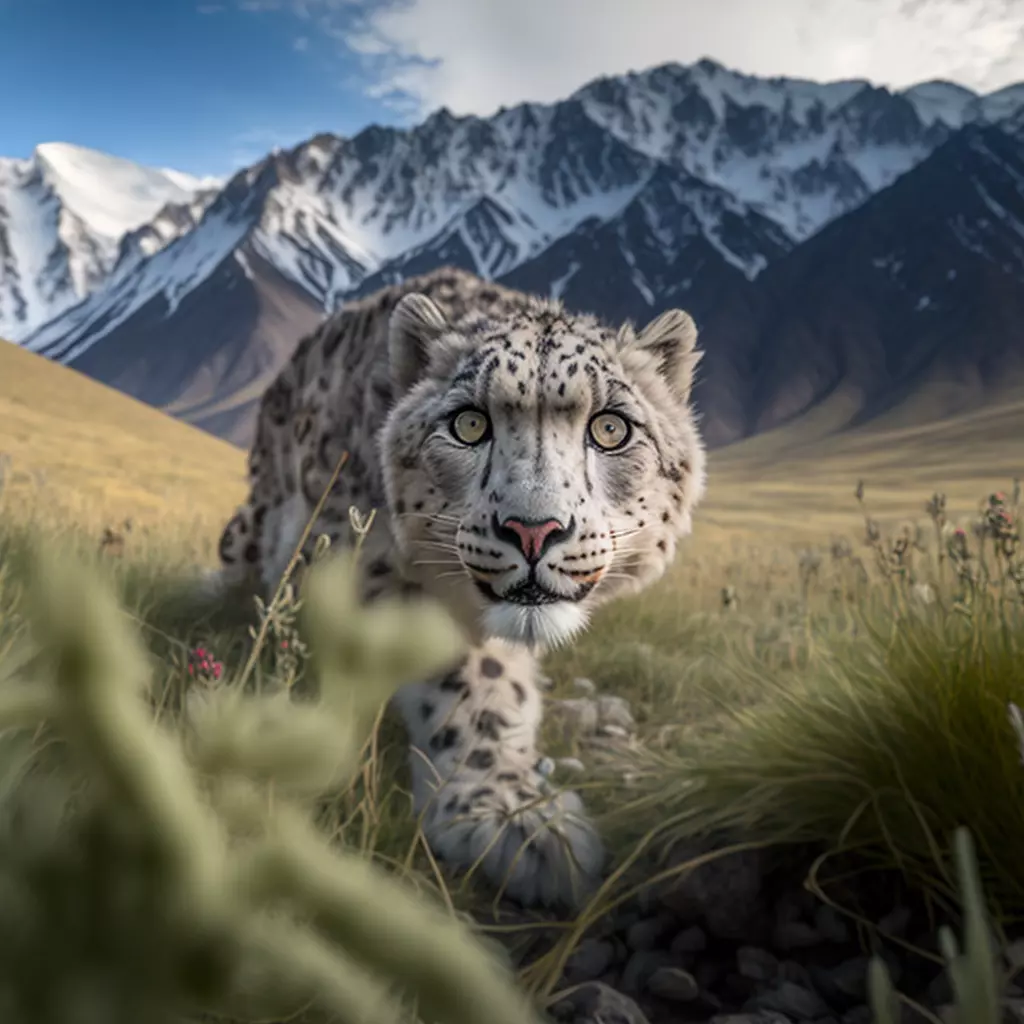
The snow leopard lives in the mountains of Central and South Asia and is known for its ability to traverse rugged terrain. Ensuring its survival for future generations includes protecting the endangered wildcat and its habitat.
A cheetah is so fast that some cars would not be able to keep up. The cheetah population is now vulnerable, but they can be found in parts of South and East Africa.
The ocelot is a small wildcat found in South America, Central America, Texas, and the Barro Colorado Islands in Panama. It was once hunted for its fur but is now rated as "least concern" on the conservation list.
The lion, known as the "king of the jungle," is a powerful cat found in sub-Saharan Africa. Lions are renowned for their impressive manes and apex-level hunting skills.
The Iberian lynx is native to the Iberian Peninsula and depends largely on the European rabbit as its prey. Habitat preservation and captive breeding programs are underway to protect and restore the Iberian lynx population.
The Florida panther is an endangered subspecies of cougar, with a population of less than 200 cats. Focusing on habitat preservation, reducing human-wildlife conflicts and promoting genetic diversity are a few of the initiatives in place to keep this American wild cat safe.
Tigers are the largest cats in the world and are known for their mesmerizing stripes. While conservation efforts focus on preserving their habitats and combating illegal wildlife trade, their population is steadily declining.
Caracals are medium-sized wildcats found in Africa. They are well-known for their tufted ears, jumping abilities and hunting skills.