Tiny Tail or No Tail, These Cats are Still Cute
FotoSCAPE

Tiny Tail or No Tail, These Cats are Still Cute

Cats are known for proudly carrying their long tails high as they march through the house in search of their next meal. Some cats, however, have no tail or sport just a little stump of a tail that hardly counts.
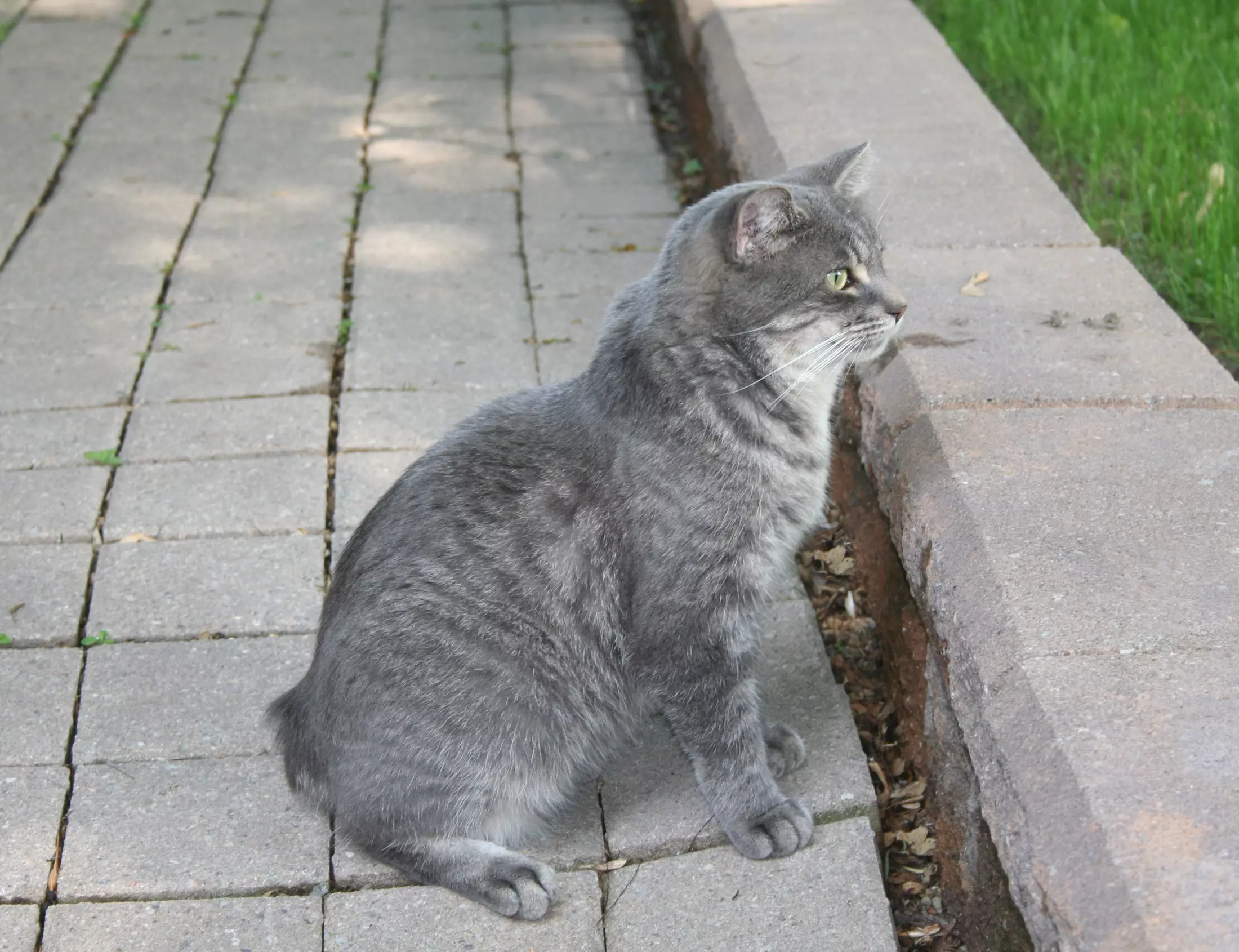
Manx

Although several cat breeds sport short, stubby tails, Manx cats are the only ones that are visually entirely tailless. This breed originated from the Isle of Man in the UK, where a genetic mutation several centuries ago led to the tailless felines we know today. While they make for playful companions, this mutation also unfortunately causes a higher rate of spinal health problems in Manx cats.

Cymric

This Canadian breed with a Celtic name inspired by the indigenous name for Wales—Cymru—is a close relative of the Man. The only practical difference is the Cymric cat's long fur. All that extra hair, especially on the face, gives this breed an adorably round appearance, but it also means they need more frequent grooming. While still loving, these cats are known for their relative independence.

Photography: Wikimedia Commons/Jumpinjim

American Bobtail

As its name suggests, bobtail breeds like this one aren't generally tailless, but instead feature a stubby tail that looks like an enlarged cotton ball at the base of their back. Like Manx cats, American bobtails got their short tail through a genetic mutation, but these breeds are not related. These cats likely originated from a short-tailed orange tabby named Yodie, who was found at a motel in Arizona sometime in the 1960s and mated with its owners’ other cat.

Pixie-bob

An inquisitive breed with a fun name and uniquely lynx-like appearance to match, pixie-bobs seem to be part bobcat but are, in fact, wholly domestic cats that make for great pets. Another relatively new breed, these cats originated in the 1980s from a female kitten named Pixie, which was the offspring of a large, short-tailed cat and a spotted brown cat. It was then selectively bred for its wild cat appearance that’s familiar today.

Photography: Creative Commons Share Alike 2.0 Generic license via Wikimedia Commons

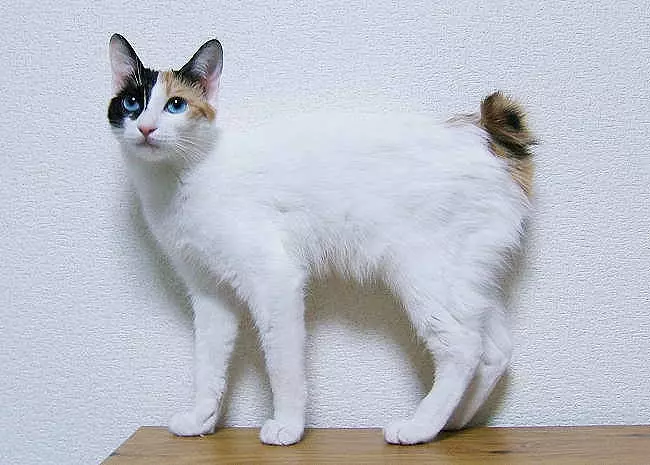
Japanese bobtail

Though it shares a name with the American bobtail, Japanese bobtails are an unrelated breed with a unique breeding history. In appearance, their fur is usually shorter and tails curlier than their American counterpart. Also unlike many of the other cats discussed here, Japanese bobtails have been around since at least the 17th century, when monks used them to catch unwanted rodents. These cats are often found in the calico color pattern as it is favored by many Japanese people.

Highlander

Despite having a distinctively short tail, the first thing you’d likely notice about highlander cats are their curiously curled-back ears! These are also some of the largest cats on the list, with adults regularly reaching north of 20 pounds. It was only first bred 32 years ago as a cross between the jungle curl and desert lynx breeds, which themselves are relatively new. Still, they’re known for having more of a wild demeanor than other breeds, so it's important to give them lots of care and attention.

Photography: Wikimedia Commons/Hawaiihudec

Kurilian Bobtail

They may not have the shortest tails, but Kurilian bobtails certainly have the puffiest! Named after the Russian islands from which they hail, these fluff balls are well-liked pets thanks to their energetic and affectionate personalities. The Kurilian bobtail differs from many short-tailed breeds in that it is naturally occurring, having been a popular rodent-hunting companion for hundreds of years.

Recommended For You.