
Nearly 4,000 animal species are critically endangered, according to the International Union for the Conservation of Nature. These animals face incredible threads and could soon become extinct in the wild.
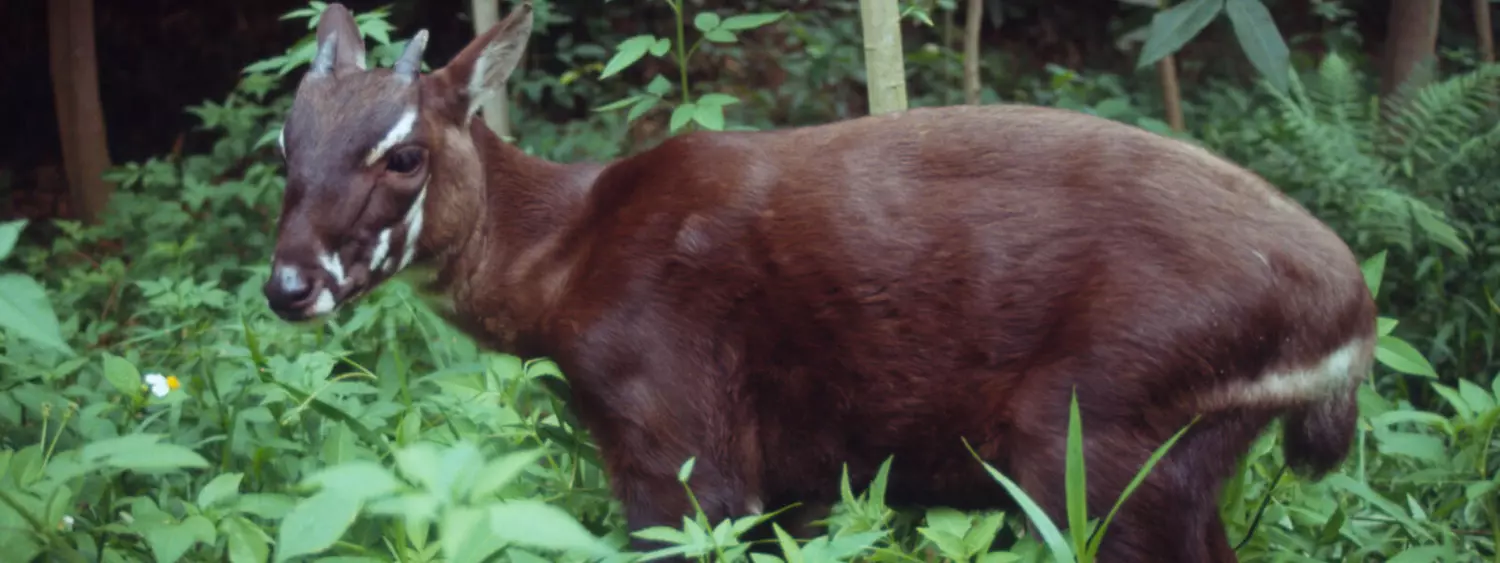
The saola is a cousin of the cow that is native to the forests of Vietnam and Laos. Though it’s bovine, this tall-horned, white-spotted animal looks more like an antelope. Commercial hunting and habitat destruction have contributed to the species’ decline. It’s estimated that there are only a few hundred saola remaining in the wild.
Photography: World Wildlife Foundation
Not all rhinos are in trouble, but black rhinos, Javan rhinos, Northern white rhinos, and Sumatran rhinos are classified by the International Union for Conservation of Nature as critically endangered. Only about 18 Javan rhinos—often poached for their horn—are thought to remain. They live in a protected park on the island of Java in Indonesia.
Photography: Pinterest/Vital Signs
In the slender Gulf of California, the waterway between Baja and mainland Mexico, live about 10 vaquita, a small species of porpoise. Illegal fishing practices including the gillnet, habitat degradation and climate change have reduced the population of these 5-foot-long marine mammals.
Photography: Pinterest/Dive Magazine
Of the three elephant species, all of which are endangered, the African forest elephant is in the most peril. Poaching, illegal trade, habitat loss, human conflict and a slow reproduction rate are all to blame for the declining numbers of this big beauty that inhabits the dense rainforests of west and central Africa.
Photography: Pinterest/Critter Science
Native to Asia and Africa, these nocturnal mammals are covered in large scales. Two pangolin species are endangered and two, the Sunda and the Philippine, are critically endangered. They are illegally trafficked for their meat and their scales, which are used in traditional medicine.
Photography: Pinterest/Animal Direct
There are three species of orangutan—Sumatran, Bornean and Tapanuli— and all are endangered. Deforestation, hunting and fires are to blame for the severe population declines. These intelligent tree-dwellers share 96.4% of their DNA with humans.
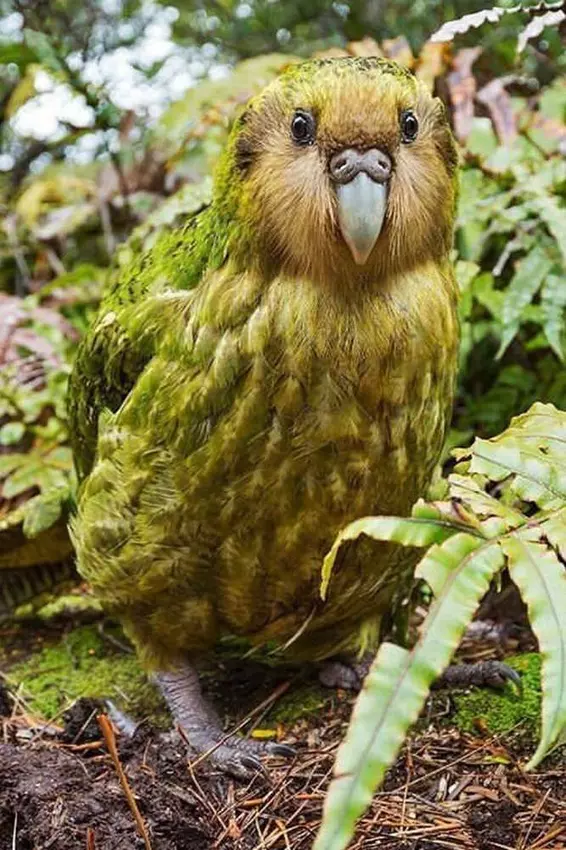
Somewhere around 200 of these nocturnal, flightless parrots survive in their native habitat in southwestern New Zealand. These fluffy green beauties can grow to 25 inches long and weigh more than 4 pounds. Loss of habitat and death by introduced mammalian predators, such as cats, rats and ferrets, has reduced their numbers.
Photography: Pinterest/Beau Bellman