Don’t Get Stung By One of these Beasts
FotoSCAPE

Don’t Get Stung By One of these Beasts

The rich diversity Mother Nature has bestowed upon our planet is breathtaking. Unfortunately, some of nature’s creations can take your breath away with their extraordinarily painful bites or stings. Learn which critters are the worst.
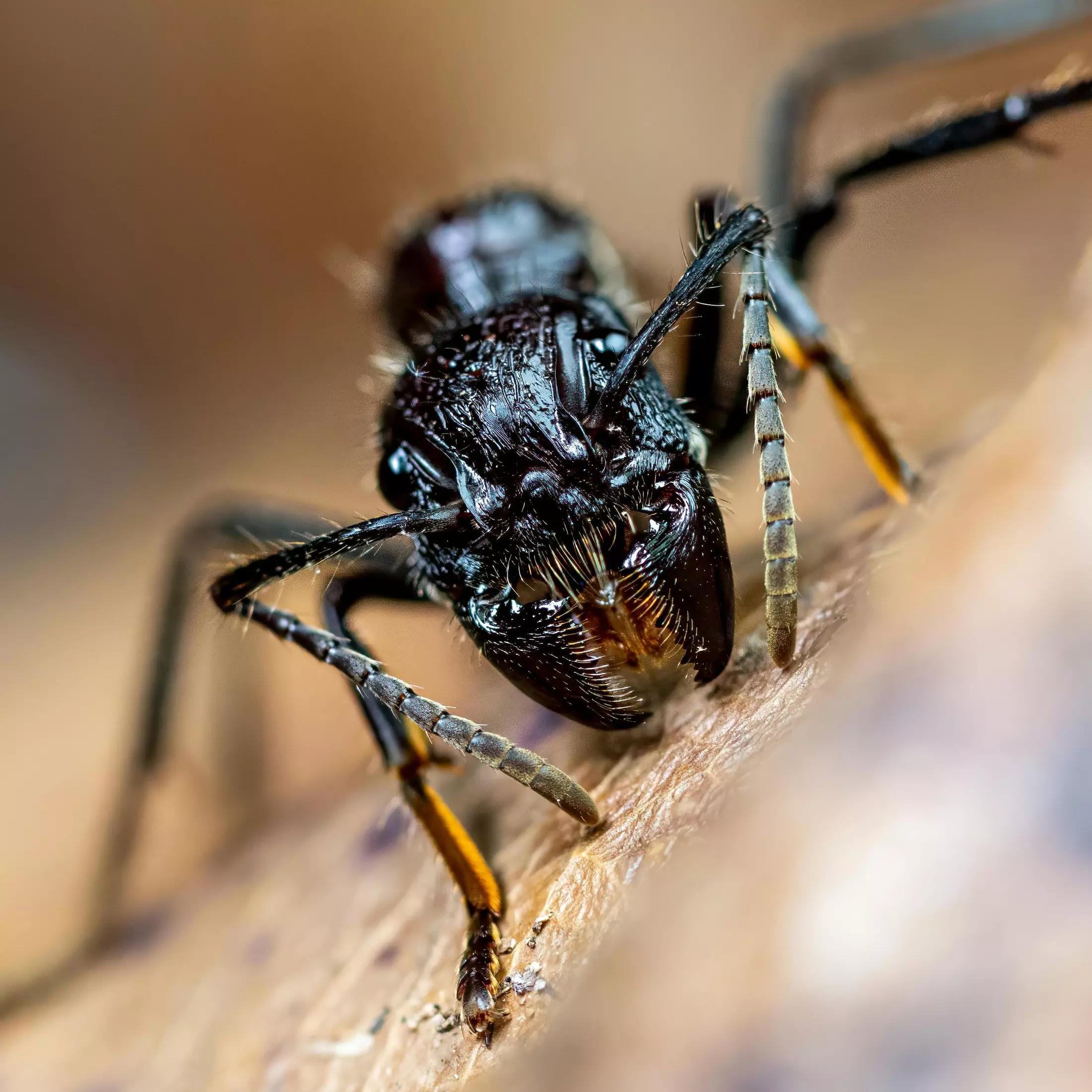
Bullet Ant

The bullet ant (Paraponera clavata) is native to Central and South America, where some people call it hormiga veinticuatro or 24-hour ant, referring to the length of time its sting causes agony. Some have compared the pain of its sting to that of being shot, which is why English-speakers call it the bullet ant.

Tarantula Hawk

The tarantula hawk is neither a tarantula nor a hawk; the term refers to any of a number of wasps that can be as long as 2.5 inches long. These nasty creatures sting their prey (often tarantulas) to immobilize it and then deposit an egg onto the paralyzed tarantula. As the egg develops, it feeds off the still-alive host. If provoked, tarantula hawks will sting humans and it’s a very painful sting.

Gila Monster

A slow-moving lizard, Heloderma suspectum is native to the southwestern U.S. and northwestern Mexico. Its bite is very painful and can send a victim to their sickbed for several days, but it isn’t fatal to humans.

Giant Desert Centipede

This freaky critter looks like something out of a sci-fi movie. Scolopendra heros is the largest centipede in North America, with some species growing to 8 inches long! It’s nocturnal and not much interested in humans, but if you get bit, it hurts like crazy.

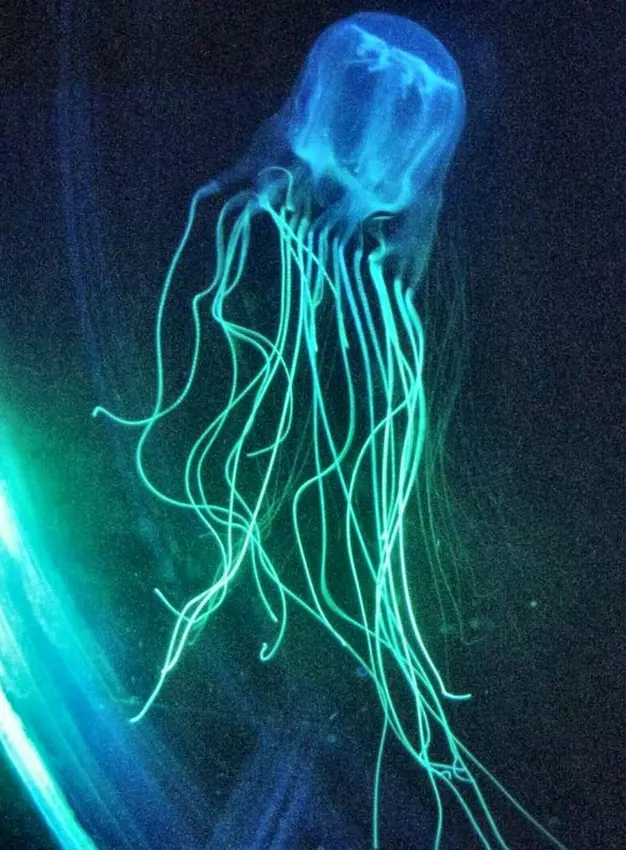
Box Jellyfish

There are a number of types of box jellyfish, and many of them secrete a painful toxin when something—or someone—comes in contact with their tentacles. This toxin can even be lethal to humans. The most dangerous box jellyfish inhabit waters of the tropical Indo-Pacific.

Photography: Pinterest/Kirsten Muir

Executioner Wasp

Polistes carnifex is a large black and yellow paper wasp indigenous to Central and South America. This venemous insect has also been spotted in South Texas. Swarms will attack if their nest is disturbed and inflict very painful bites on perceived enemies. The pain from an executioner wasp’s sting can last for several days.

Stingray

The stingray’s barbed tail can inflict serious damage if the animal feels threatened. The stingers cut into flesh, and the toxin released can cause immediate and severe pain. Other symptoms include bleeding, swelling, redness, numbness, tingling, and sometimes, nausea, vomiting or muscle cramps.

Photography: Wikimedia via the Creative Commons Attribution 2.0 Generic license

Recommended For You.