6 Mileage Deduction Hacks For Every Gig-Economy Driver
FotoSCAPE

6 Mileage Deduction Hacks For Every Gig-Economy Driver

Photography: Gemini/Nano Banana

The IRS bumped the 2026 mileage rate to 72.5 cents per mile. If you drive for Uber, DoorDash or Instacart, these six hacks could put thousands back in your pocket at tax time. Swipe ahead to learn more.

Your Car Is Your Office

The IRS now pays 72.5 cents for every business mile you drive in 2026 — the highest standard mileage rate in recent history. For gig drivers putting 20,000 miles on the road each year, that means a $14,500 deduction before other write-offs even enter the picture. Most drivers don’t track mileage, and they lose out on thousands every tax season.

Track Every Mile

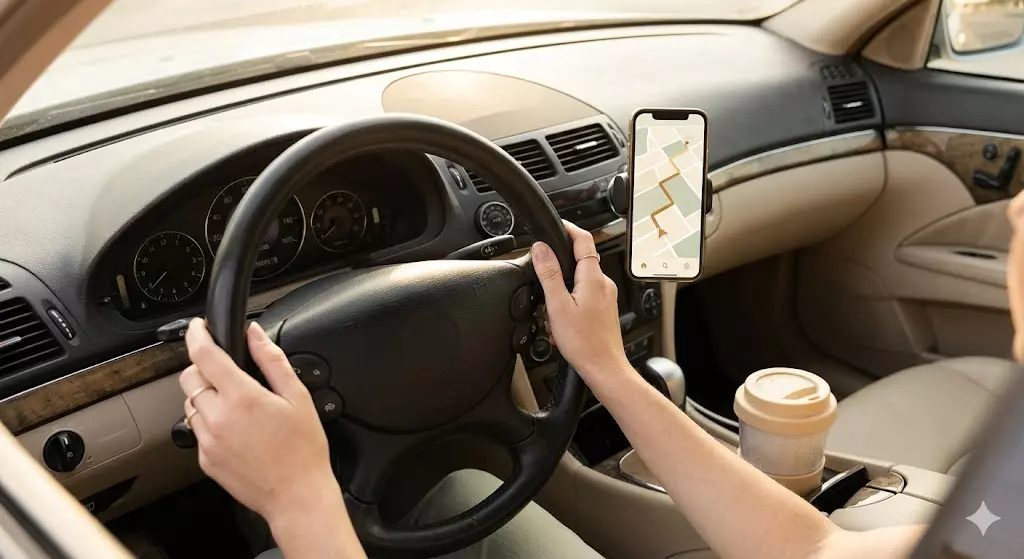
Your Uber or DoorDash app only logs miles during an active ride or delivery, but the IRS does not care about that distinction. A dedicated mileage tracking app captures what gig platforms miss entirely. Driving between pickups, gas stations and even car washes are fully deductible and when it comes to your money, every mile counts.

Pick the Right Deduction Method

The standard mileage rate gives you 72.5 cents per mile. It’s a simple, flat rate and no receipts are required beyond your mileage log. The actual expenses method lets you total up gas, insurance, repairs and depreciation, then apply your own business-use percentage. High-mileage drivers in fuel-efficient cars almost always win with the standard deduction, but choose wisely. if you use your actual expenses, you cannot switch to a standard deduction for that vehicle, so decide early.

Stack Parking and Tolls on Top

This one surprises people. Even when you take the standard mileage rate, parking fees and tolls are not included in that 72.5-cent figure. They are a separate deduction. Airport pickup lanes, metered downtown spots, bridge and highway tolls can all be deducted. Keep receipts or use an electronic toll tag that generates statements.

Multiple Apps, Keep One Log

Experienced drivers know that toggling between Uber, DoorDash and Instacart during the same shift maximizes your earnings. Good news on the tax side: you do not need a separate mileage log for each platform. The IRS wants one unified record of all your business driving. Report each 1099 individually on your return, but enter your total mileage once.

Let a Mileage Tracker App Do the Work

Manual logs are tedious and error-prone, while automatic tracking apps run in the background, using GPS to capture every mile driven. Just set it and forget it. Everlance offers a free tier and auto-calculates at the current IRS rate, TripLog generates IRS-compliant reports and Hurdlr bundles mileage, expenses and income tracking in one place. Most of these apps offer free plans or trials, and the subscription itself is tax-deductible as well.

Write Off Your Gear, Too

Your miles are not the only thing the IRS lets you deduct. The business-use portion of your phone bill qualifies too. So do phone mounts, car chargers and insulated delivery bags. And the platform fees and commissions that Uber or DoorDash withheld from your earnings? They’re already on your 1099 and fully deductible.

Track It, Deduct It, Keep More

The math is hard to ignore. At 20,000 miles and a 22 percent tax bracket, the standard mileage deduction alone saves roughly $3,190. Layer on tolls, parking, gear and app fees, and you are looking at $3,500 or more back in your pocket at tax time. Earn more by simply tracking the miles you already drive. No loopholes, just logging.

Recommended For You.