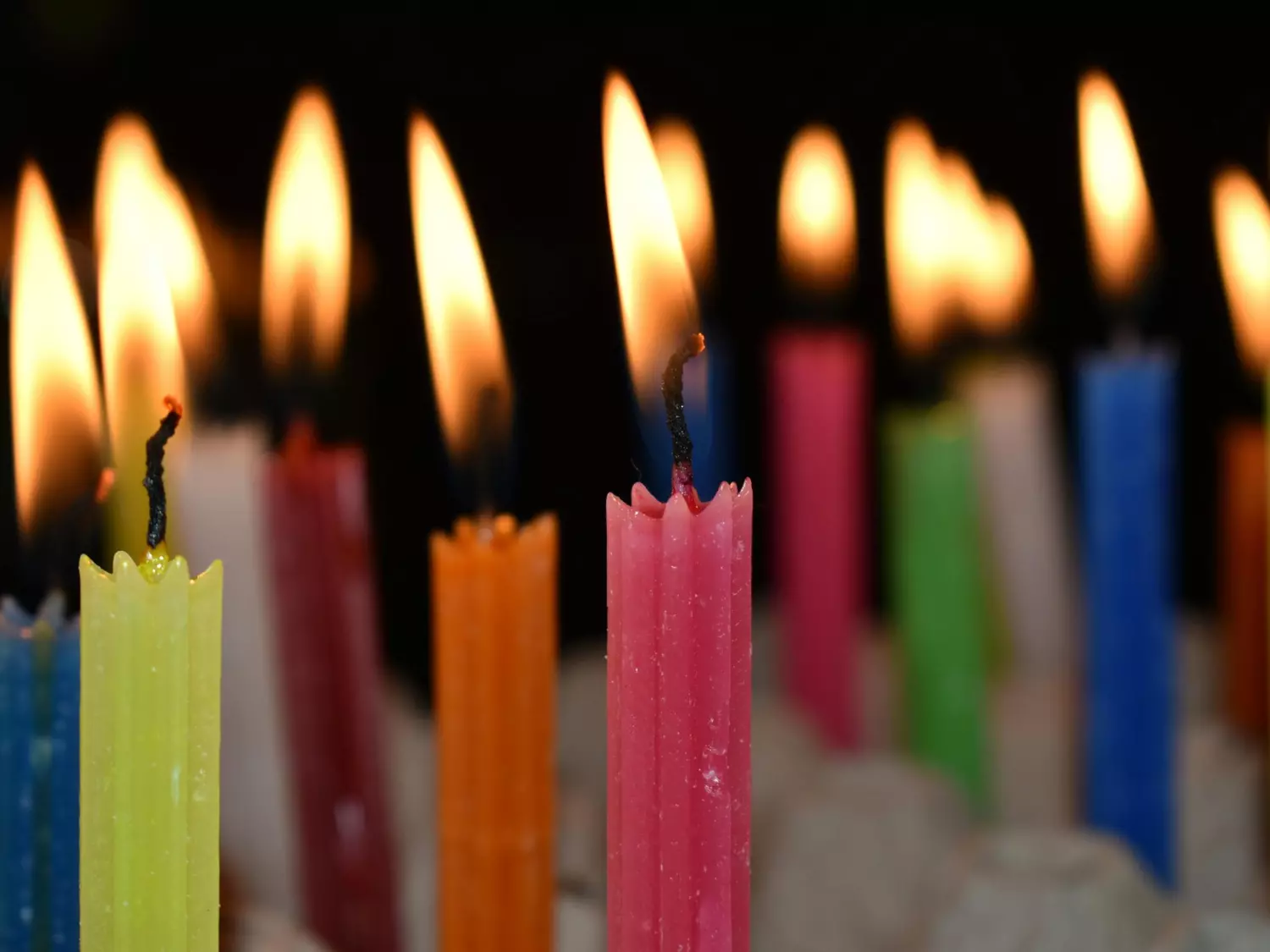

From Quinceañeras to sharing Rosca de Reyes, Latin American rituals are the glue that holds us together. These timeless traditions celebrate family, food and identity. Swipe to see how we’re keeping these vibrant customs alive today.
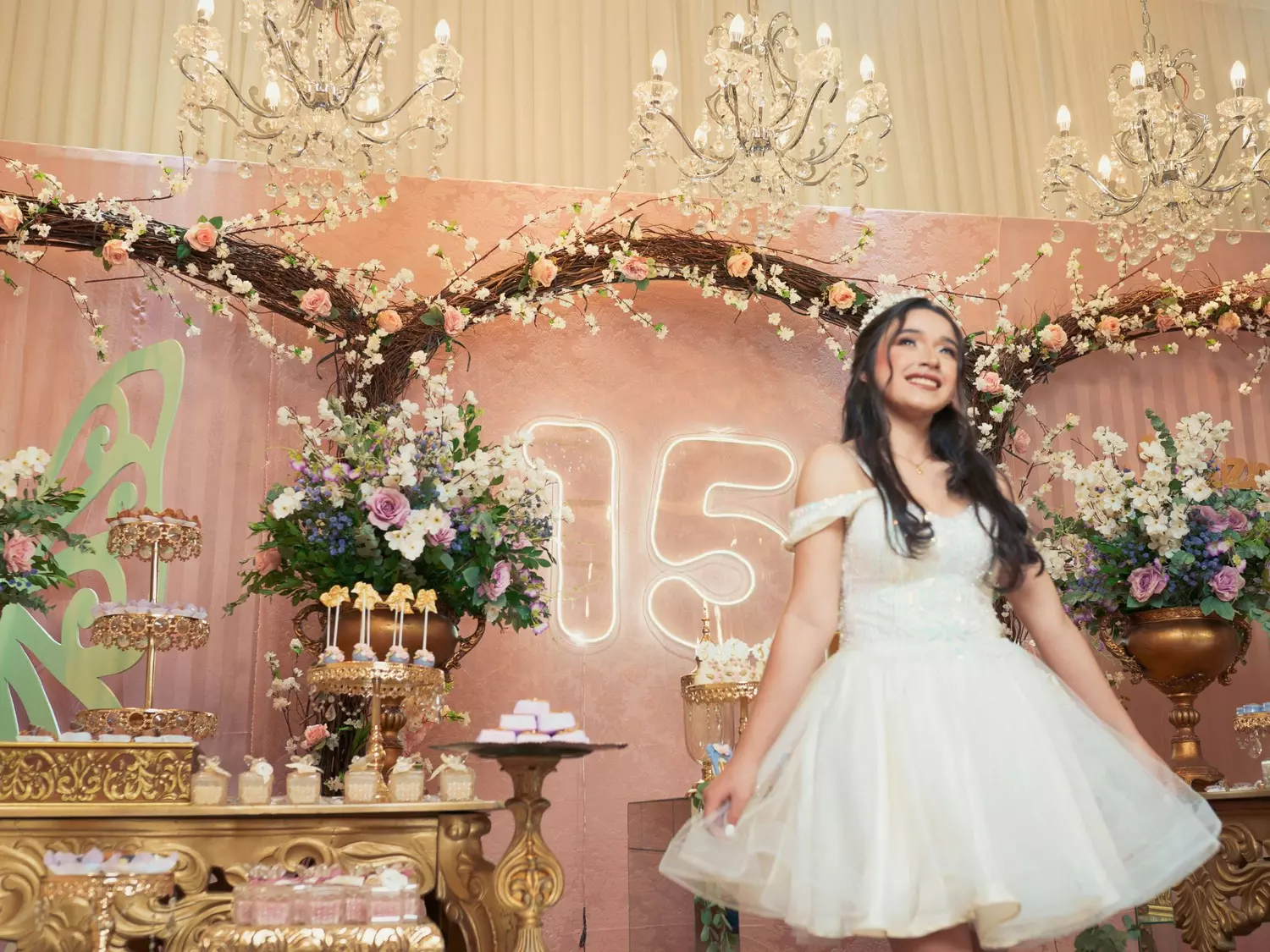
A rite of passage into young adulthood: a long dress, a waltz, and speeches from the family. Sometimes there is a mass or symbolic ceremony, and godparents accompany the young woman. The traditional "changing of shoes" takes place, along with the presentation of a ring or the birthday girl's last doll. The celebration concludes with dancing for everyone and a dessert table. In many countries, simpler celebrations are now common.
Photography: Pexels/Juliano Astc
The main gathering is on the night of December 24th: dinner, carols, and gifts. Each household sets up its nativity scene/tree, and everyone takes turns preparing traditional dishes. Children, grandparents, aunts—everyone helps serve and sing. After midnight, there's a long after-dinner conversation filled with laughter, photos, and gifts. In some places, cousins exchange "Secret Santa."
Photography: Pexels/Nicole Michalou
A hug and a midnight toast to start the year with good energy. Many eat lentils or take a walk with their suitcase to attract travel in the coming year. In several countries, 12 grapes are used, one for each wish. The music plays loudly and the table stays set late. The important thing: to start together and with good wishes.
Photography: Pexels/cottonbro studio
A time for reflection and religious traditions. Some travel; others participate in neighborhood processions. Meatless dishes and seasonal desserts are prepared. Visits to grandmothers become longer and more leisurely. In many neighborhoods, there are Palm Sunday processions, Stations of the Cross, and candlelit vigils; children carry palm branches, and the elderly make vows. It's a pause to be together and slow down.
Photography: Pexels/Alex wolf mx
In Colombia, on December 7th of each year, candles and lanterns are lit on sidewalks and in windows. Families make a wish for each lit candle and give thanks for the year that is ending. There is natilla (a type of custard), buñuelos (fritters), and music. Children compete to see who has the prettiest lantern. It is the official start of Christmas in many cities.
Photography: Pexels/Alejandro Grajales
In Colombia, the Novena de Aguinaldos (December 16–24) brings families together for nine nights to pray, sing carols, and read the traditional Christmas hymns in different homes; it commemorates the nine days leading up to the birth of Jesus and helps prepare the Nativity scene and one's heart. The table is set with buñuelos (fritters); the children play tambourines, and everyone gathers before the 24th: a living tradition in neighborhoods and housing complexes.
Photography: Pexels/Christina Petsos
In Latin America and Spain, Epiphany or Three Kings' Day (January 6) commemorates the adoration of the Magi and marks the end of the Christmas season. On the eve of Epiphany (January 5), there are processions, children leave out shoes and water or grass for the camels; at dawn on the 6th, gifts and thank-you cards appear. Families share a ring-shaped cake filled with candied fruit and a hidden figurine; whoever finds it wears a crown and, according to tradition, makes a small commitment for the next gathering.
Photography: Pixabay/Alexis