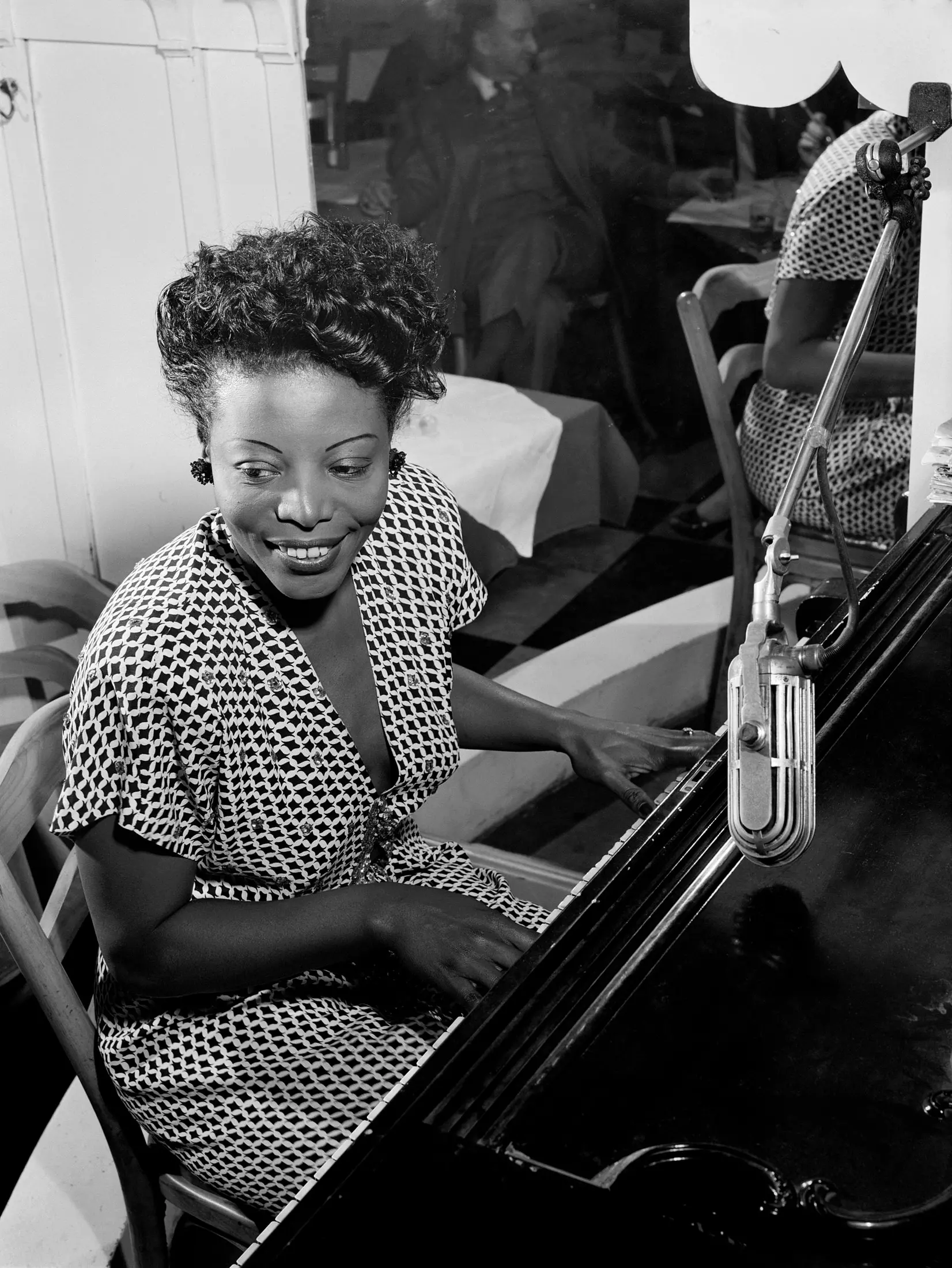

Mary Lou Williams was a jazz legend who played, composed and arranged music across every eras of jazz. She mentored giants like Thelonious Monk and Miles Davis, broke barriers as a woman in a male-dominated field, and even performed for the President.
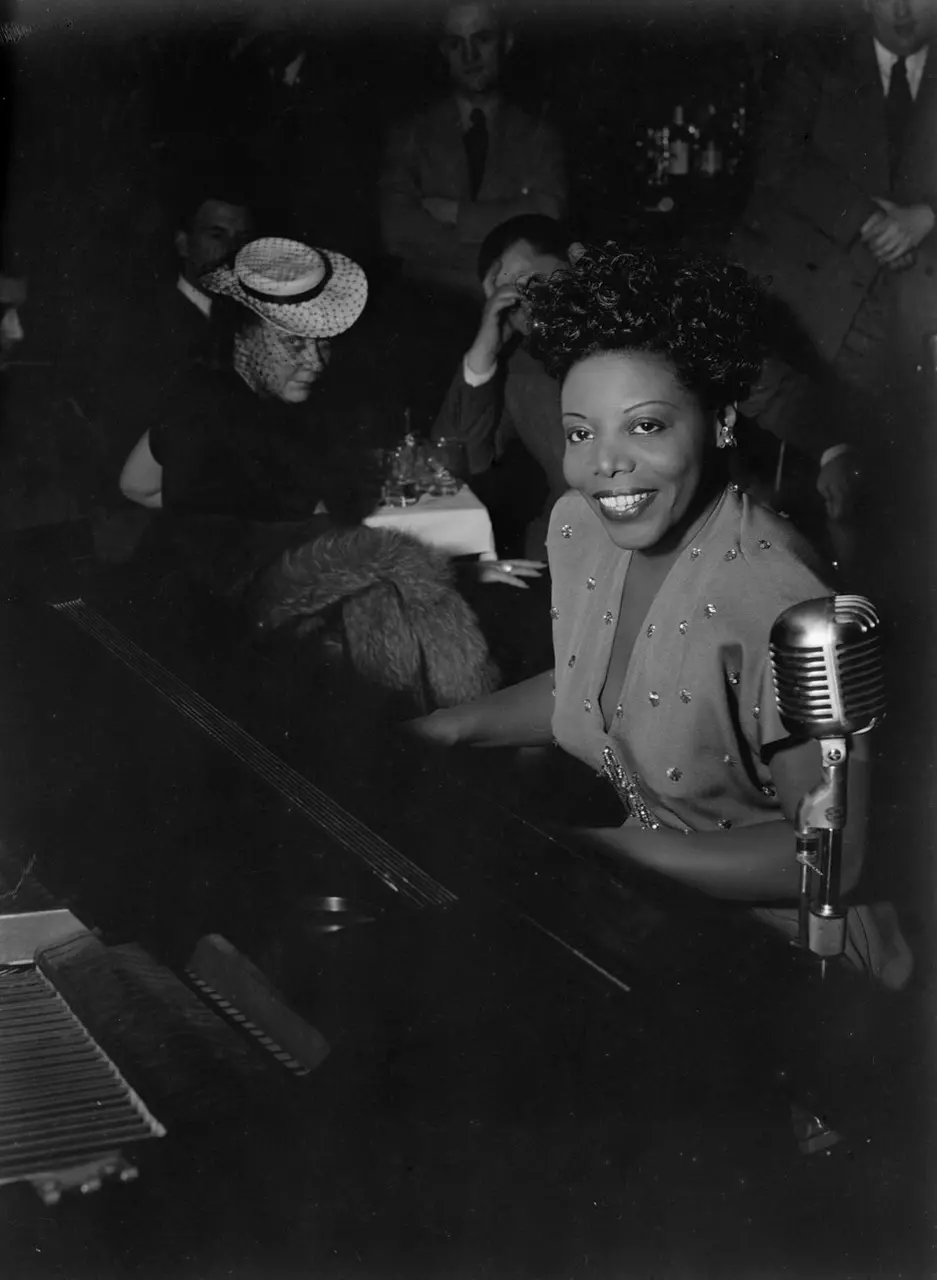
Mary Lou Williams was born Mary Elfrieda Scruggs on May 8, 1910, in Atlanta but grew up in Pittsburgh's East Liberty neighborhood. She began playing piano at age 3 by imitating her mother. White neighbors who had harassed her family for moving to their neighborhood stopped after discovering her remarkable talent. By age 7, she was giving private concerts for wealthy white families in the area, earning the nickname "the little piano girl of East Liberty." At just 12 years old, she went professional and toured the Orpheum Circuit of theaters.
Photography: William P. Gottlieb
In her mid-twenties, Williams joined the jazz scene full-time, but faced fierce hostility from managers and musicians who didn't want a woman performing in their bands. Saxophonist John Williams defended her right to play and they ended up getting married in 1926. She sat in on the band Andy Kirk's Twelve Clouds of Joy in Kansas City, and eventually became the band's primary arranger and composer. Her innovative arrangements like Froggy Bottom, Mary’s Idea and Walkin’ and Swingin’ propelled the band to national fame throughout the 1930s.
Photography: Library of Congress
Williams played a pivotal role in jazz's bebop movement during the 1940s. She became a trusted mentor and teacher to some of jazz's biggest names, including Thelonious Monk, Charlie Parker, Miles Davis, Dizzy Gillespie and Bud Powell. She also wrote and arranged for Duke Ellington and Benny Goodman.
Photography: William P. Gottlieb
By 1954, Williams was exhausted and quit performing entirely for three years. She converted to Catholicism alongside Dizzy Gillespie’s wife Lorraine and devoted herself to helping struggling musicians battling addiction and illness. She even turned her New York apartment into a rest home for those in need. Williams also founded the Bel Canto Foundation during the 1950s to support addicted musicians returning to performance. During this period, she began composing religious music that incorporated jazz and sacred themes in ways that hadn’t been done before.
Photography: William P. Gottlieb
Williams was the first African American woman to have her own weekly radio show, Mary Lou Williams's Piano Workshop. In 1964, she founded Mary Records, one of the first record companies created by a woman, and released her self-produced album, Black Christ of the Andes. She also established her own publishing company, Cecilia Music Company, which managed more than 350 compositions and 100 recordings. In 1975, she performed the first-ever jazz mass at St. Patrick's Cathedral in New York City before 3,000 people, further cementing jazz as a sacred form of African American expression and art.
Photography: Lynn Gilbert
From 1977 to 1981, Williams served as Duke University's first artist-in-residence, teaching the History of Jazz and directing the Duke Jazz Ensemble. She made concert and festival appearances, conducted youth clinics, and in 1978 performed at the White House for President Jimmy Carter. She appeared in the famous 1958 photograph A Great Day in Harlem as one of only three women among jazz greats. Williams died on May 28, 1981 of bladder cancer, in Durham, North Carolina, leaving behind a legacy as one of the greatest jazz musicians of all time.
Photography: William P. Gottlieb