
Washington state estate tax: Lawmakers roll back rate increase, fearing wealth exodus
OLYMPIA, Wash. — Washington lawmakers approved a partial rollback of last year's increase in top estate tax rates — the highest in the nation — as Democrats advanced a separate proposal to tax the state’s highest earners. The Senate voted 39-10 Thursday to pass an expedited measure intended to soften last year’s sharp increase in Washington’s top estate tax rates. The chamber gave final ...
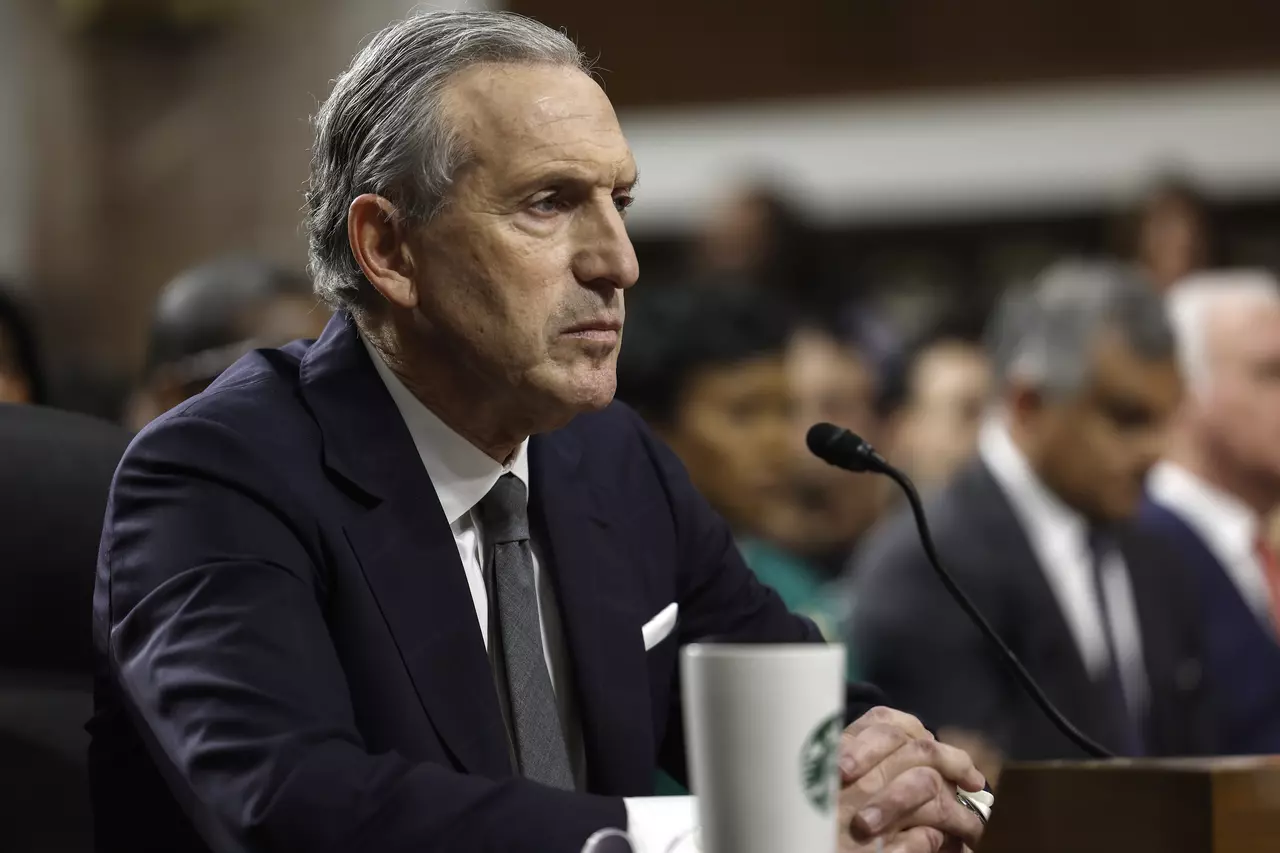
Former Starbucks CEO Howard Schultz testifies before the Senate Health, Education, Labor, and Pensions Committee in the Dirksen Senate Office Building on Capitol Hill on March 29, 2023, in Washington, D.C. A multibillionaire, Schultz and his wife plan to move to Florida after more than 40 years in Seattle.
Anna Moneymaker/Getty Images North America/TNS
OLYMPIA, Wash. — Washington lawmakers approved a partial rollback of last year's increase in top estate tax rates — the highest in the nation — as Democrats advanced a separate proposal to tax the state’s highest earners.
The Senate voted 39-10 Thursday to pass an expedited measure intended to soften last year’s sharp increase in Washington’s top estate tax rates. The chamber gave final approval Wednesday to a proposal creating a new income tax on individuals earning more than $1 million annually.
Taken together, the moves highlight a delicate balance as Democratic lawmakers pursue new revenue from wealthy residents while acknowledging concerns that one recent tax increase may have pushed Washington outside the national norm.
Last year, lawmakers raised the state’s top estate tax rate to 35% — far higher than the next-highest rate of about 20% in Hawaiʻi. The tax applies to estates worth more than $12 million after a $3 million exemption.
If signed by Gov. Bob Ferguson, the new measure would roll the top rate back to its previous level beginning with estates of people who die on or after July 1, 2026.
The bill’s prime sponsor, Rep. Claudia Kauffman, D-Kent, has said the legislation is intended to correct a rate increase that quickly made Washington an outlier among states with estate taxes.
Some Democratic leaders have also acknowledged concerns that the change could influence where wealthy residents choose to live, like Senate Majority Leader Jamie Pedersen, D-Seattle, who said they have heard anecdotal reports that some high-net-worth residents are considering relocating to avoid Washington’s estate tax.
But Pedersen, a prime sponsor of the measure Democrats have dubbed the “millionaires tax,” has defended the income tax as distinct from the estate tax, noting most U.S. states levy a personal income tax. Washington is one of just 17 states that levy an estate or inheritance tax.
The concern has been heightened this week by news that multibillionaire and former Starbucks CEO Howard Schultz plans to move to Florida — a reminder, lawmakers say, of how mobile some of the state’s wealthiest residents can be, even though Schultz has not publicly tied the move to Washington’s recent tax policies.
The estate tax has generated about $535 million annually over the past five years, according to the Washington Department of Revenue. Lawmakers projected the higher rates could push collections above $600 million per year.
But the increase only took effect last June, and the first payments under the higher rates are not due until April, meaning there is little hard data yet on how taxpayers may respond.
Critics of Democrats’ broader tax agenda argue that a growing stack of taxes on wealthy residents and businesses could push investment elsewhere.
Some progressive advocates say the estate tax remains one of the few progressive revenue sources in Washington’s tax system. Rian Watt, executive director of the Economic Opportunity Institute, said estate tax collections can fluctuate because they depend on the timing of large inheritances.
"It seems to me that now is not the time to experiment with tax policy that hits the books to the tune of $400 million or so a biennium," Watt said in a Thursday statement, citing lawmakers' proposed budgets that would make substantial cuts to programs designed to reduce costs for working families.
Even as lawmakers adjusted the estate tax, Democrats continued pushing forward with the new tax on high earners, which Ferguson has pledged to sign.
With the legislative session set to adjourn Thursday, lawmakers are in a final sprint to complete a broader tax package and pass a balanced operating and transportation budget.
_____