The Evolution of Internet Horror
FotoSCAPE

The Evolution of Internet Horror

Internet horror thrives on digital isolation. Grainy text posts evolved into hijacked television broadcasts and infinite empty hallways. Trace this descent from early forum legends to modern analog dread. Swipe ahead to learn more about liminal spaces, creepypastas and corecore.
The Textual Origin

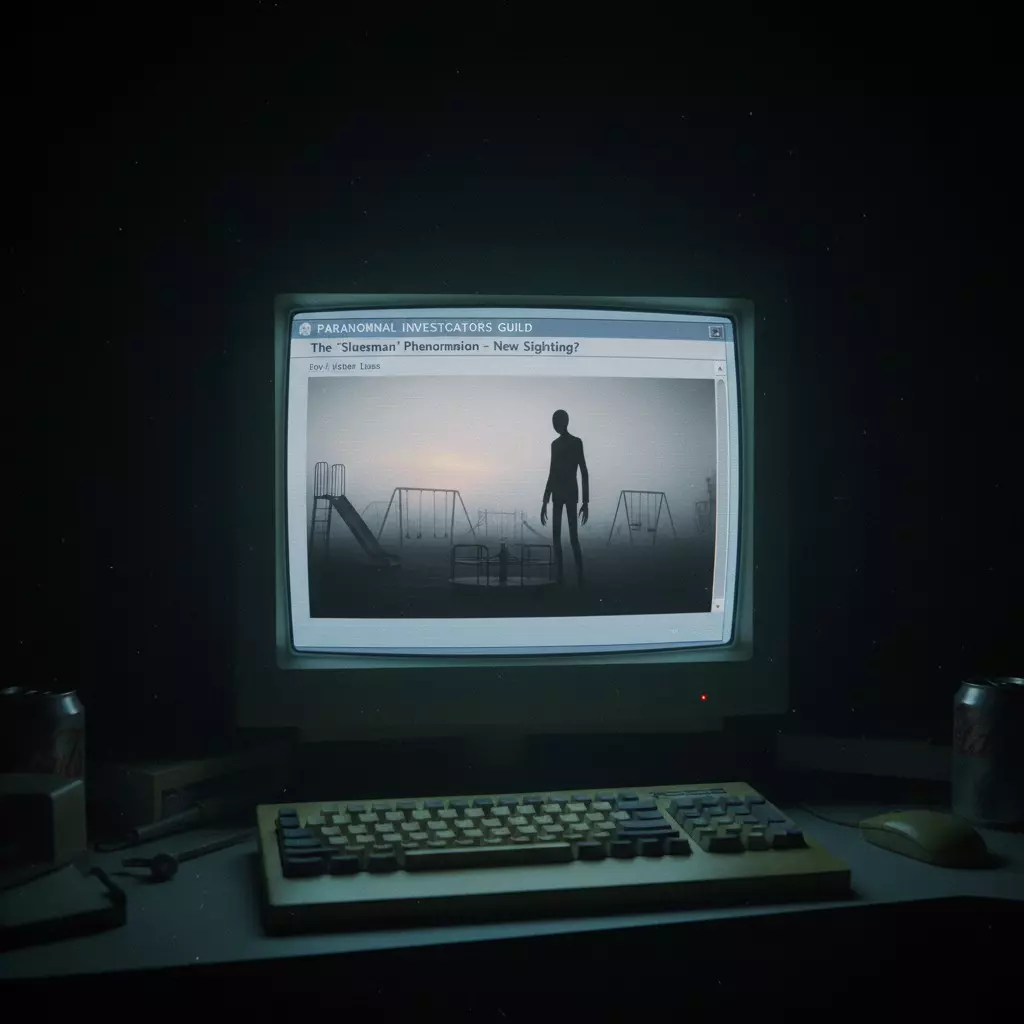
Victor Surge sparked a new era of urban legends by dropping Slenderman onto the Something Awful forums during the early days of the modern web. A single grainy photograph depicted a tall, faceless figure standing behind children on a playground. Through copied text, users quickly spread these modern campfire tales. Creepypastas like Jeff the Killer and Smile Dog established the blueprint for digital dread using poorly edited pictures.

The Found Footage Bridge

To drag Slenderman out of text posts and into video format, the Marble Hornets YouTube series shifted internet horror toward the raw evidence of a camera lens. Creators introduced the operator symbol while establishing a visual language built entirely on glitching recording equipment. As the footage warped and distorted, viewers suddenly became direct witnesses to the terror. This pivot laid the groundwork for the next generation of digital scares.

The Analog Hijack

By weaponizing the aesthetic of 80s and 90s public access television, Kris Straub manufactured pure dread with the Local 58 web series. Alex Kister later introduced the Mandela Catalogue to document psychological warfare from entities called Alternates via instructional VHS tapes. Sudden Emergency Alert System tones interrupt late-night broadcasts to trigger a deep, visceral fear. Low resolution, tracking errors and distorted audio effectively replace traditional jump scares in this hijacked format.

The Liminal Architecture

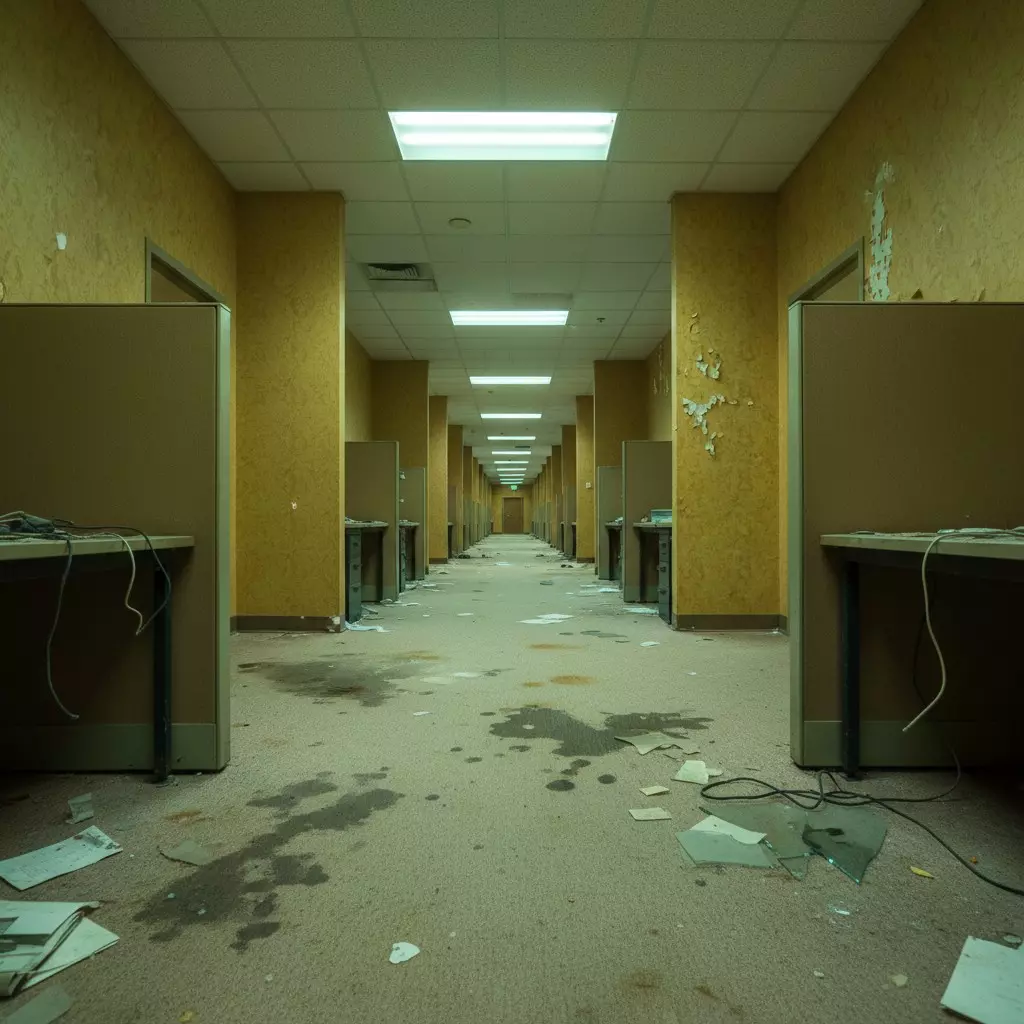
An infamous 4chan post birthed the Backrooms concept through a vivid description of an infinite maze of empty yellow rooms. Kane Pixels later redefined this lore by creating hyper-realistic CGI videos mimicking 90s camcorder footage. With over 100 million views, these uploads shifted the internet's focus away from chasing monsters. Audiences instead embraced kenopsia, experiencing the eerie atmosphere of abandoned spaces that usually hold crowds.

The Corecore Shift

High-concept monsters eventually gave way to abstract, environmental dread. Instead of polished media, modern digital curators favor low-fidelity artifacts to capture feelings of true isolation. Viewers recognize the distorted faces and hijacked weather alerts, but the underlying logic remains completely broken. Because the media itself feels fundamentally wrong, this uncanny aesthetic transforms passive viewing into an uncomfortable experience.

Recommended For You.